
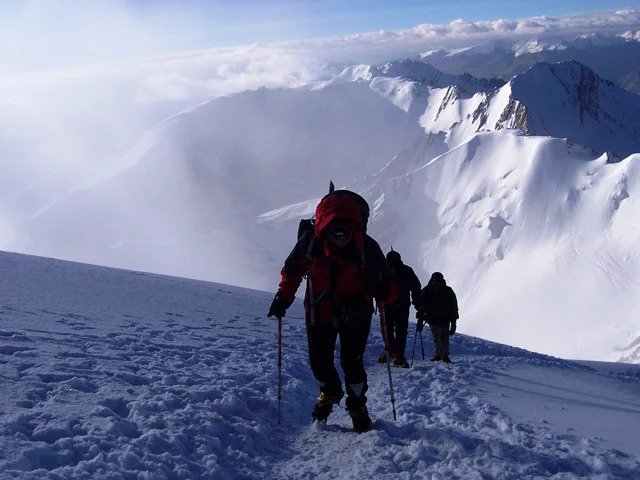
High altitude mountaineering involves more than enthusiasm and a pair of hiking boots. Because it combines a challenging strategy with glacier travel, steep snow, and technical climbing, the Stok Kangri summit route has gained popularity among seasoned hikers. The preparation guidelines are still helpful for anyone thinking about a future high-altitude goal in Ladakh, even though access and climbing regulations are subject to change.
Understanding the Challenge
Before embarking on the Stok Kangri trip, note that altitude can be just as demanding as the actual climbing itself. The trail entails long days, cold weather, lower oxygen levels, and even tough terrain. A Stok Kangri trek thus needs to be planned in such a way as to take into account endurance, acclimatisation, knowledge about mountains, and wise decision-making.
One must never mistake a trekking experience at high altitude for mountaineering preparedness. Should your aim be to climb Stok Kangri, or any other mountainous journey, once it becomes legally and operationally feasible, you need to gain experience by doing tough treks. Learn how your body reacts at high altitudes, practice walking continuously for several hours, and be comfortable carrying a loaded backpack.
Fitness You Need
Cardiovascular endurance should be the starting point of your training. Walking briskly, jogging, cycling, climbing up stairs and hiking are ways to develop your aerobic endurance. Aim for regular training as opposed to sporadic, high-intensity workouts. Because they mimic the sustained effort needed during a mountain journey, long weekend hikes are especially beneficial.
Stamina is also important. Squats, lunges, step-ups, calf raises, and core training will help condition your legs and core to cope with difficult terrain and steep climbs. Include some exercise that will build up your shoulders and back muscles because you will have to carry your own equipment.
Training should progressively incorporate longer sessions with elevation gain for a Stok Kangri expedition. Use stairs or an incline treadmill if you don’t live in a mountainous area. Instead of racing uphill and stopping frequently, practise keeping a steady pace. Your goal is sustained effort over a number of hours.
Also Read: Explore the Sham Valley Trek: One of the Best Beginner-Friendly Treks in Ladakh
Technical Skills and Mountain Experience
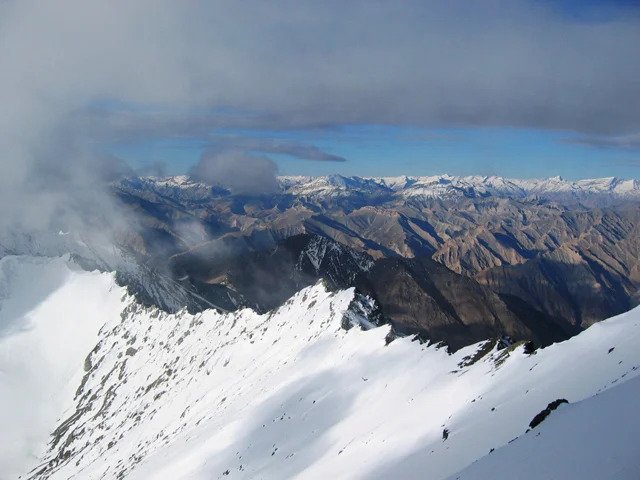
Experience forms an integral part of the preparatory process. The Stok Kangri trek itinerary in Ladakh is something that shouldn’t be approached as your first-ever expedition to the Himalayas.
Prior to undertaking any major peak attempt, one must acquire experience on high-altitude trails and mountain safety knowledge. Depending on the specific path and present-day mountaineering needs, the technical preparation can consist of crampons, ice axes, ropes, self-arrest techniques, and safe movement in snow or glaciated areas. It is necessary to acquire these skills under professional guidance instead of learning them solely by watching videos on the Internet.
Another helpful skill would be navigation. One needs to be able to read the map and route signs and operate GPS equipment without being entirely reliant on his or her cell phone. Learn to spot worsening conditions and know when it’s safer to turn around because the weather in the mountains can change quickly.
Acclimatisation and Altitude Awareness
Altitude must be taken seriously. Giving your body time to adapt through acclimatisation before reaching any significant height allows you time to adapt to reduced oxygen availability. An appropriate plan will always take altitude slowly and include acclimatisation days.
Anyone organising a Ladakh Stok Kangri-style climbing objective should understand the symptoms of altitude sickness, such as headache, nausea, unusual fatigue, dizziness, and dyspnoea. More severe symptoms call for emergency medical care. An individual is not protected from altitude illness by fitness.
Adequate sleep, proper nutrition, and hydration are also important. Eat regular meals, pack appropriate snacks, and refrain from viewing the trip as a test of how little you can sleep or eat. Your body requires energy to function in harsh, cold environments.
Also Read: Markha Valley Trek Route Explained: Start Point, Camps, and Trail Distance
Equipment and Preparation
The selection of equipment should be based on the actual route, season, and advice from experienced local experts. Proper trekking boots, layered clothing, gloves, sunglasses, sunscreen, and a proper backpack are some of the basic things that one should have.
Before the expedition, try on your shoes, and during training hikes, evaluate your clothing system. After a few hours on the trail, minor issues like uncomfortable socks or improperly adjusted backpack straps can grow into significant problems.
Preparation for the Stok Kangri trek in Ladakh should also include preparation for sunlight, winds, cold weather, and weather variations. Take with you necessary medicines, a first aid box, and enough water-carrying capacity. Rather than depending on outdated blogs or videos, always abide by current local laws and route restrictions.
Building Experience Before the Summit
Start with difficult but non-technical Himalayan routes if you are new to trekking at high altitudes. This enables you to gain confidence, pacing, camp routines, and altitude awareness without having to tackle a challenging summit goal right away.
Make your way gradually to higher and longer routes. If you plan your itinerary carefully, trekking in Leh Ladakh can offer valuable exposure to the region’s dry climate, rocky terrain, and altitude. Additionally, it can teach you how much effort your body needs when elevated.
Trekking in Leh Ladakh offers a variety of levels of difficulty, allowing for the gradual development of experience. Before attempting a more technical goal, use each trip to identify areas that require improvement. Choose routes that challenge you without going beyond your current capabilities.
How Dream Land Can Help
At Dream Land, we know that preparation is more than just making it to the start and taking on the trail; it is about making sure that the travellers get an insight into what the conditions in Ladakh really mean and prepare accordingly for a high-altitude trip. We have seen for ourselves the positive impact of good acclimatisation, realistic schedules and advice from those who know the landscape well. In order to plan their trip around both safety and adventure, we encourage travellers to enquire about fitness, equipment, weather, and route conditions before departing.
Conclusion
A successful mountain trip starts well in advance of the initial climb. Develop your muscular and cardiovascular endurance, acquire altitude experience, pick up key mountain skills, and comprehend how your body reacts to changing circumstances. Above all, be mindful of the mountain and ready to retreat if circumstances require it. Your next high-altitude adventure can be a worthwhile step toward more ambitious Himalayan goals with careful planning and responsible guidance.
Check Out Our Most Popular Treks – Markha Valley Trek | Phyang to Hunder Trek (Nubra Valley) | Spituk to Matho Trek | Rumbak valley Trek | Lamayuru to Hemis Monastry Trek | Lamayuru to Darcha Trek | Rumtse to Tsomoriri Trek | Hemis to Tsomoriri Trek | Padum To Lamayuru Trek | Kibber Tsomoriri & Rumtse Trek | Jhunglam Trekking