
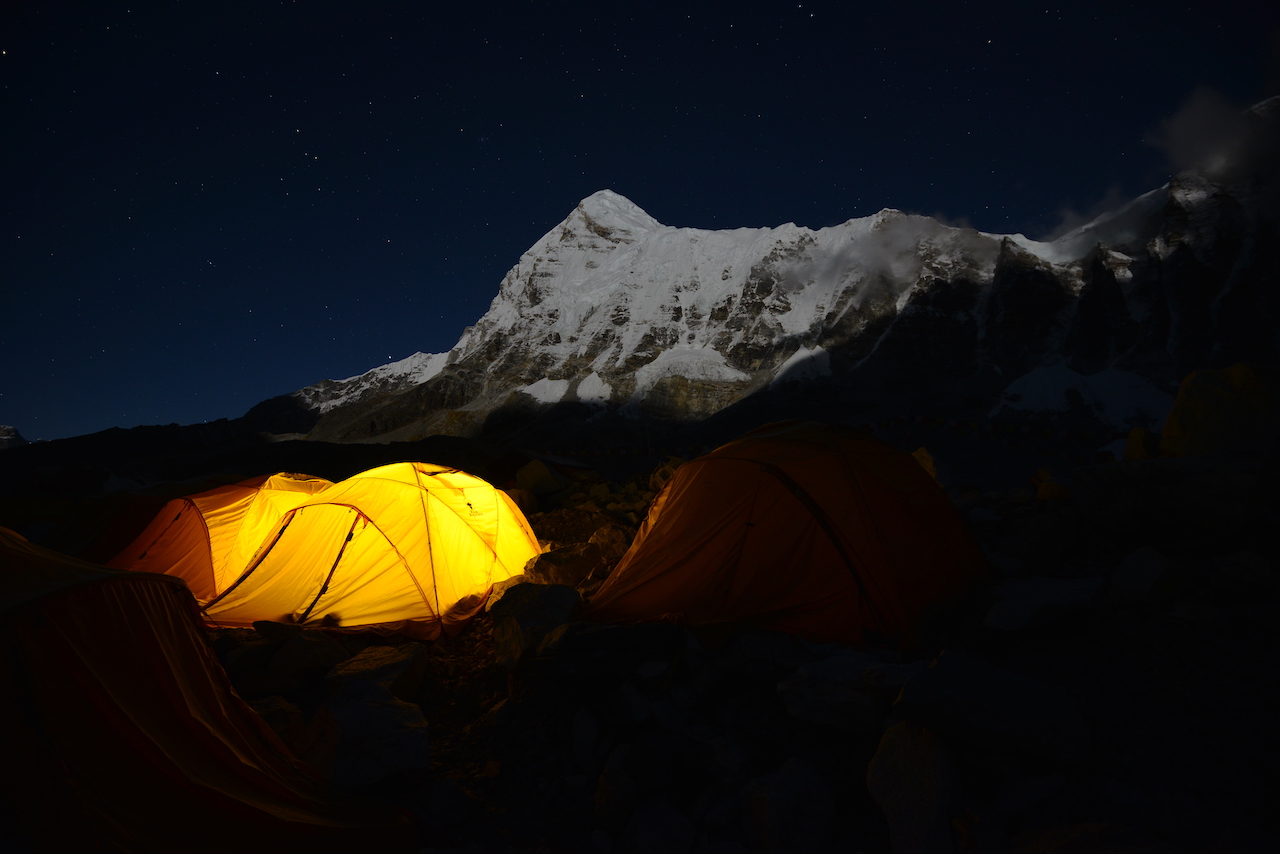
Ladakh is famous for its stunning scenery, its towering passes, blue skies, and exciting trekking options. Though most tourists indulge in trekking activities during the daytime, an increasing number of people have been venturing into night-time trekking. Trekking under skies teeming with millions of stars and being engulfed in the quietude of the majestic Himalayas provides a totally new feeling about the beauty of Ladakh.
But trekking at night needs proper preparation and adequate knowledge of safety procedures. This guide contains all the necessary information that one needs before embarking on such an endeavour in Ladakh.
Why Night Trekking in Ladakh Is Unique
Unlike most other places in the world, Ladakh boasts of negligible light pollution, providing excellent opportunities for stargazing. Besides the amazing view of the Milky Way at night, the cold weather post-sunset makes some trails quite conducive even in summer.
Night hiking offers a serene experience that one cannot achieve by day. This coupled with the peacefulness of the mountain, absence of tourists, and viewing wildlife makes for an amazing experience for trekkers.
On the flip side, the trails become much harder without the light of day, and preparations must be made for the trek.
Also Read: 8 Best Treks in Ladakh You Must Explore in 2026
What to Expect During the Trek
Less Visibility
With even a good flashlight, visibility is likely to be much lower than daytime visibility. The trails would look quite different at night, and natural landmarks might not be easy to recognise, making night trekkers prefer guided trails, particularly for those who are new to the area.
Colder Temperature
Ladakh becomes considerably cooler after the sun goes down; even in summer temperatures tend to be lower at night. It might get extremely cold because of the wind chill at the higher altitudes.
Clear Night Sky
The most amazing thing about night trekking is the opportunity to see some of the clearest night skies in India. During clear nights, one can see the stars, planets, and even galaxies without any specialised gear.
More Sensory Experience of Nature
Being able to observe the surroundings without being disturbed by the sun gives hikers an experience of a connection with nature that is more sensory-oriented.
Essential Items to Carry
Proper packing is key to making your hike either fun or miserable.
- Headlamp: It’s imperative to own a reliable headlamp, which should come with options for adjusting brightness levels. You could have spares and extra batteries for the same.
- Warm Clothes: Dress in layers that can easily be added or removed depending on the weather. Thermal clothing, fleece coats, warm jackets, and gloves will suffice.
- Water and Energy Foods: It’s crucial to remain hydrated despite being on a nighttime walk. Pack enough water and energy-rich foods like nuts, dried fruits, and bars.
- Necessary Devices: Tools like GPS units, downloaded maps, and a compass can guide your route. Avoid being dependent on phone coverage in isolated areas.
- First Aid Supplies: Basic first aid items like bandages, painkillers, antiseptic wipes, and any necessary personal medicines should be included.
- Miscellaneous Items: Items like a whistle, power bank, thermal blanket, and toolset may come in handy for emergencies.
Choosing the Right Route
However, not all trails are ideal for trekking at night. Beginners should begin with short trails that are easy to navigate by night. Trails close to known campsites are safer compared to those found in mountainous regions.
It is important to gather information concerning the path you intend to use before you commence your trip. You should consider the height of the region and its weather conditions.
Safety Considerations
Acclimatisation Always Comes First
The elevation in Ladakh may impact trekkers irrespective of their physical fitness. It is essential to spend a few days on acclimatisation prior to taking up a trek in the dark. One should not overlook signs such as headaches, dizziness and exhaustion.
Trek With a Companion
It is always safer to undertake a trek in the company of others. Trekking solo in the dark poses certain risks and there may not always be help available.
Pay Attention to Weather Changes
Mountain weather may turn unpredictable at any time. Temperature drops, gusts of wind or snowfall could pose risks to your journey.
Always Follow the Trail
A common mistake people tend to make while trekking in the dark is to venture off trails.
Also Read: Complete Travel Guide for a Trip to Ladakh, India from London
Best Time for Night Trekking in Ladakh
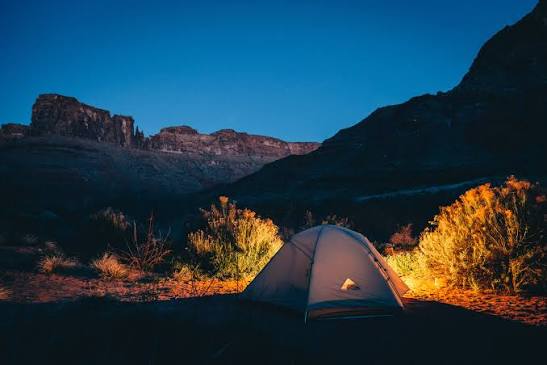
The best time would be from May to September, since the trekking trails will be open during this time and the weather will be stable.
Also, the moon cycle plays an essential role. Stargazers prefer to undertake treks when there is a new moon. Those who want clear visibility tend to go for the full moon when the moon brightens their path.
Do not plan your trekking when it rains heavily, snows, or the weather warnings are high.
Common Mistakes to Avoid
Most novice trekkers tend to overlook the difficulties associated with hiking during nighttime conditions. This includes:
- Possessing insufficient sources of illumination.
- Dressing inadequately for cold temperatures.
- Neglecting acclimatisation considerations.
- Miscalculating physical fitness ability.
- Setting off on the hike too late without sufficient planning.
- Lack of weather forecast checks.
Making sure you do not make these common mistakes will greatly enhance your hiking experience.
How Dream Land Supports Responsible Adventure
We, at Dream Land, know how effective planning can transform a simple trekking experience into an incredible one. We help our clients plan effectively for trips that will take them to the mountains, acquainting them with the local environment and sensitising them to the vulnerable nature of the Himalayan region. For us, it’s not just about getting our clients to enjoy Ladakh; it is also about making sure that they do so in a manner that is safe and sustainable.
Conclusion
Night trekking in Ladakh can be an incredible experience. It gives one the opportunity to view the celestial skies and enjoy the serene environment of the mountains when darkness falls. Nonetheless, preparation, the use of appropriate equipment, and the exercise of good judgment are necessary for a successful night trek. Through careful planning, selecting the appropriate route, using the appropriate equipment, and ensuring personal safety, individuals get a chance to make their night trekking experience unforgettable.
Check Out Our Most Popular Treks – Markha Valley Trek | Phyang to Hunder Trek (Nubra Valley) | Spituk to Matho Trek | Rumbak valley Trek | Lamayuru to Hemis Monastry Trek | Lamayuru to Darcha Trek | Rumtse to Tsomoriri Trek | Hemis to Tsomoriri Trek | Padum To Lamayuru Trek | Kibber Tsomoriri & Rumtse Trek | Jhunglam Trekking