
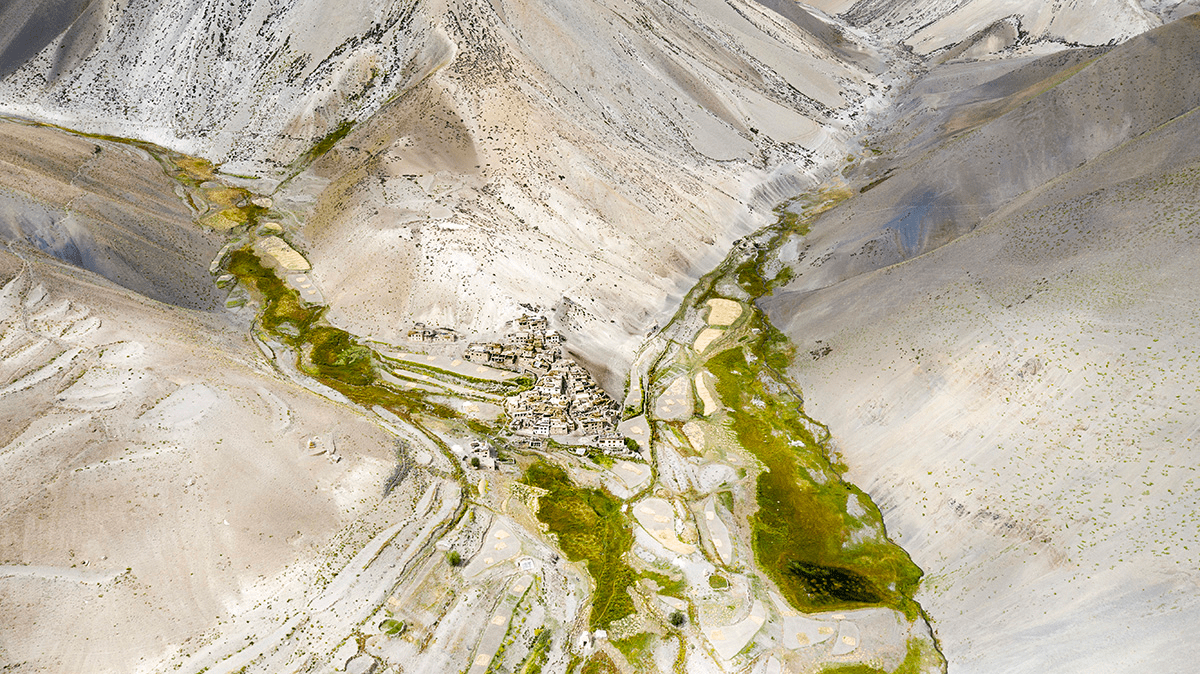
The terrain of Ladakh has traditionally appealed to trekkers with its beautiful mountains, small villages, and high-altitude routes. But changing environmental situations have started altering the trekking experience in Ladakh. The impact of climate change in Ladakh is more evident from the perspective of the weather situation, the season, the melting of glaciers, and changes in water sources. If you are embarking on your first trip to the Himalayas or have come back to experience different trails, then knowledge about the changing Ladakh climate is a must.
Changing Weather Patterns Are Reshaping Trekking Seasons
For many years, Ladakh’s hiking schedule was quite predictable. Travellers could conveniently schedule their trips for late spring or early autumn. These days, the weather is changing, making those old timetables less accurate.
Reports of unexpected snowfall, protracted dry spells, and sudden downpours are increasing. These modifications affect the entire trekking experience as well as trail accessibility. Trekkers should be ready for more weather unpredictability than in recent years, even though the climate at Leh Ladakh still permits hiking for most of the season.
It is now more crucial than ever to check the most recent forecasts before embarking, particularly for longer trips into isolated regions.
Melting Glaciers Are Affecting Water Sources
Glacier-fed streams supply water to settlements and hikers along many of Ladakh’s well-known trekking routes. Glaciers are progressively retreating as temperatures rise, changing the region’s natural water flow.
Water levels in several streams, which used to be consistent throughout the hiking season, now fluctuate. Crossings may become more challenging in some months, and there may be less water available in other places.
These modifications emphasise how crucial it is to travel with knowledgeable local guides who are aware of the state of the trails and are able to modify them as needed. In order to increase comfort and safety, modern Ladakh trekking itineraries are progressively taking these environmental changes into consideration.
Trail Conditions Are Becoming Less Predictable
The physical state of many trekking routes is being impacted by climate change. In some areas of the Himalayas, loose rocks, unstable slopes, and sporadic landslides are becoming increasingly frequent. Even while these occurrences have always happened naturally, their frequency could rise due to shifting weather patterns.
Trekkers should be adaptable when organising Ladakh trekking tours because, depending on the situation, some routes can need short-term detours or altered itineraries.
To guarantee that hikers use the safest routes possible, local trekking operators keep a close eye on trail safety and interact with village people.
Also Read: Is Monsoon a Good Time for Trekking in Ladakh? Complete Information
Wildlife and Mountain Ecosystems Are Under Pressure
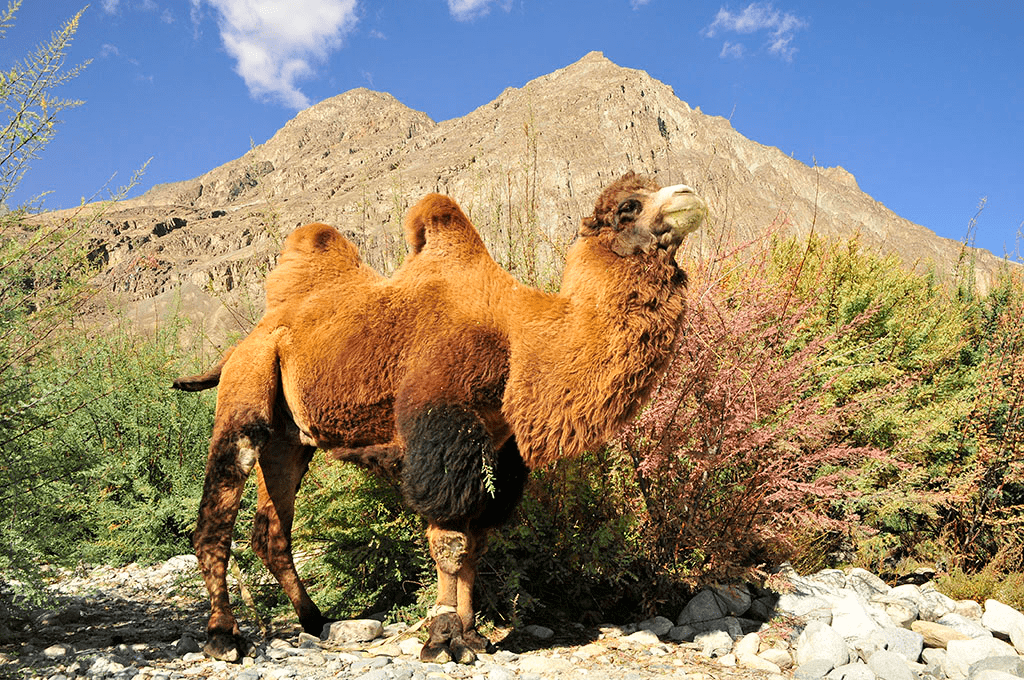
Rare animals, fragile alpine plants, and distinctive ecosystems that have evolved over thousands of years to withstand harsh conditions can all be found in the mountains of Ladakh.
Rising temperatures are progressively changing ecosystems, impacting plant growth and wildlife migration patterns. Nowadays, some hiking routes go through environments that are subtly but noticeably changing.
By staying on approved trails, avoiding needless disturbance of wildlife, and using sustainable trekking techniques, responsible hikers may make a positive impact. The natural splendour that makes Ladakh trekking such an amazing experience is preserved in part by protecting these delicate ecosystems.
Higher Altitudes Present New Challenges
Changing weather patterns can affect how hikers experience high elevations, even though altitude has historically been one of the most important factors for tourists.
Stronger winds might appear suddenly, and warmer daytime temperatures can be followed by unusually cold nights. Travellers can better prepare with appropriate attire and gear if they are aware of the climate in Leh before starting the acclimatisation process.
Regardless of seasonal variations in the weather, acclimatisation is always crucial. Prior to starting a journey, spending enough time in Leh greatly increases both safety and enjoyment.
Sustainable Trekking Is Becoming More Important
Sustainable tourism is becoming more and more crucial to preserving Ladakh’s mountains as environmental conditions change.
Trekkers are urged to leave campsites precisely as they found them, carry reusable water bottles, limit plastic waste, and show consideration for local people. Supporting village businesses, homestays, and local guides also boosts the local economy.
Waste management, reduced group numbers, and eco-friendly sleeping arrangements are just a few of the eco-friendly methods that many Ladakh trekking trip operators are implementing. Waste management, reduced group numbers, and eco-friendly sleeping arrangements are just a few of the eco-friendly methods that many Ladakh trekking tour operators are implementing. These initiatives protect trekking routes for future generations while lessening the environmental impact.
Better Planning Makes Every Trek Safer
Choosing a route is only one aspect of modern trekking preparation. It is recommended that travellers keep a close eye on the recent changes in Leh Ladakh weather, pack appropriately layered clothing, and allow flexibility in their itinerary.
Throughout the trip, weather reports should be kept up to date, especially when hiking in isolated locations where circumstances can change quickly. Local knowledge is especially useful because the climate in Ladakh can vary greatly between settlements, mountain passes, and valleys.
Selecting knowledgeable guides who are conversant with current trail conditions greatly enhances trekking safety and enjoyment.
Understanding Local Climate Before You Travel
Preparation starts even before reaching Ladakh. Knowledge of the climate at Leh Ladakh helps travellers decide on the right trekking time and appropriate clothing and equipment.
Likewise, learning about the climate in Leh gives a clue about the temperatures during acclimatisation before proceeding to higher elevations. Because weather patterns are still changing due to climate change in Ladakh, keeping up-to-date through reliable local information is one of the best ways to prepare for a successful trek.
Whether you choose any of the many trails available in the region, flexibility and preparation have become two key companions in all Himalayan trips.
Also Read: Leh Permits 2026: Everything You Need to Know Before You Trek, Travel or Stay in Ladakh
Why We at Dream Land Encourage Responsible Trekking
We at Dream Land have the unique opportunity of hosting tourists who visit Ladakh to get an experience of the stunning mountain terrain every year. We have also seen the changes that have been brought about by trekking over the years, and it is now necessary for us to plan ahead in order to make our tours even better. It has always been our mission to ensure that all our tours reflect respect for the local communities, safety of the travellers, and sustainable exploration of the landscape. We work hard to ensure that every visitor has an unforgettable experience while promoting responsible tourism throughout the region by closely monitoring the current trail conditions and Leh Ladakh weather.
Conclusion
Ladakh is still considered one of the best places for trekking in the world; however, the ever-changing environmental factors have brought about an increased awareness about trekking in the mountains of Ladakh. Climate change in Ladakh can come in many forms, from the melting of glaciers to unpredictable weather patterns. By learning about the changing Ladakh climate, engaging local assistance, and undertaking sustainable trekking, one can still enjoy trekking in this beautiful part of the world.
Check Out Our Most Popular Treks – Markha Valley Trek | Phyang to Hunder Trek (Nubra Valley) | Spituk to Matho Trek | Rumbak valley Trek | Lamayuru to Hemis Monastry Trek | Lamayuru to Darcha Trek | Rumtse to Tsomoriri Trek | Hemis to Tsomoriri Trek | Padum To Lamayuru Trek | Kibber Tsomoriri & Rumtse Trek | Jhunglam Trekking