

High-altitude trekking in Ladakh is indeed a great experience; it has a lot to offer, from wide landscapes and cold desert valleys to the passes that require much stamina and resilience. The raw beauty of the Himalayas does not come without its challenges. Thin air, steep trails, and unpredictable weather give reason to proper preparation for anyone planning a Ladakh trek.
First, understand what high altitude demands. Planning should be such that your body becomes not only accustomed to low oxygen levels but also geared to cope with long hours of walking. This fact itself makes systematic preparation for high-altitude trekking a bedrock of any successful adventure.
Why Preparation Matters for Treks in Ladakh
Most of the treks in Ladakh are well above 3,000 meters above sea level, where the atmospheric pressure is shallow. Even the most trivial tasks can tire you out, and altitude sickness can just creep in. If unprepared, breathing difficulties, fatigue, and dehydration are some of the problems you will face.
The risk factors associated with trekking are reduced when a person is physically and mentally better prepared. In such ways, trekkers can enjoy the beauty around them instead of fighting against discomfort. It does not matter whether one completes the trek; instead, it is about every step with awareness and confidence.
Also Read: Everything You Need to Know About Mountain Climbing – Exercises, Equipment, and More
Building Stamina for a High Altitude Trek
The backbone of any high-altitude trek is cardiovascular fitness. Because at higher elevations the body receives less oxygen, your heart and lungs will have to learn to work more efficiently.
Begin with a good mix of walking, running, cycling, and stair climbing. These activities develop the lungs and overall stamina. Begin with 30 minutes of cardio every day, four days a week, and increase the duration over time as the trek approaches.
Hiking small hills or a local trail works just as well. It can simulate mountainous conditions, training the body to get used to continuous up-and-down shifts.
Strength Training on Difficult Terrain
This requires strength not just in the leg and core muscles, but above all. Mountain trails feature rocky sections, unstable surfaces, and extended uphill stretches; if the muscles are not trained for such activities, rapid fatigue would result.
Squats, lunges, calf raises, and planks in your routine will build stability for high-altitude walking. A strong core keeps you upright on uneven terrain, while upper-body strength will support the load of your backpack.
Brief, frequent, and focused training sessions yield much better results when compared to infrequent, hard workouts.
Flexibility and Mobility
While cardiovascular and strength training prepare your body for endurance, flexibility prevents injury. Stiff joints inhibit movement, as trekking places intense strain on your muscles.
Simple stretches to the hamstrings, hips, shoulders, and lower back improve mobility. Yoga works exceptionally well because it not only caters to flexibility but also combines breath control and mental calmness. As little as 10–15 minutes of stretching every day will greatly enhance comfort on the trek.
Acclimatization Remains the Undisputed Step
Acclimatization with high-altitude trekking is a must. The human body takes a certain time to adjust to low levels of oxygen, so rapid acceleration can lead to altitude sickness.
Coming a couple of days in advance to Leh before the start of the trek does help a lot. During that period, avoid heavy exercise and drink plenty of water. Once on the route, follow the principle of “climb high, sleep low”. This technique aids gradual acclimatization.
One does need to listen to their body. Never ignore headaches, nausea, or dizziness. Slowing down early will avoid serious complications later.
Breathing Techniques for Thin Air
The breathing exercises increase the oxygen intake, making the trekkers feel comfortable even at a higher altitude. Diaphragmatic breathing, deep breathing, and rhythmic breathing control the flow of air and maintain a trekker in a comforting zone during difficult sections of the trail.
These techniques, if mastered in advance, prepare the lungs and give more control over breathing while walking.
Nutrition for Energy and Recovery
Diet is the most crucial part of preparation for high-altitude trekking. Proper consumption of carbohydrates, proteins, and fats maintains the energy of the body throughout the day and during long hours of exertion.
Whole grains, oats, and fruits supply endurance energy through carbohydrates. Proteins are helpful for muscle recovery, especially in hard training. Healthy fats keep the energy level up during training and maintain joint mobility.
Hydration is equally important. Dry mountain air dehydrates a person much more quickly than they think. Drink plenty of water and add electrolytes in order to maintain balance.
Mental Preparation for Ladakh Treks
Besides, with trekkers, their ability to put up with long days, cold temperatures, and unstable weather depends upon how strong-headed they are. It keeps you patient, focused, and resilient.
Training for endurance can be supplemented with shorter meditation sessions, visualization, and mindfulness training. It will indeed help a lot with general mental preparation if you visualize yourself accomplishing those difficult sections or reaching high passes. Generally, a composed mind copes better with sudden situations.
Essential Gear List for High Altitude Trekking
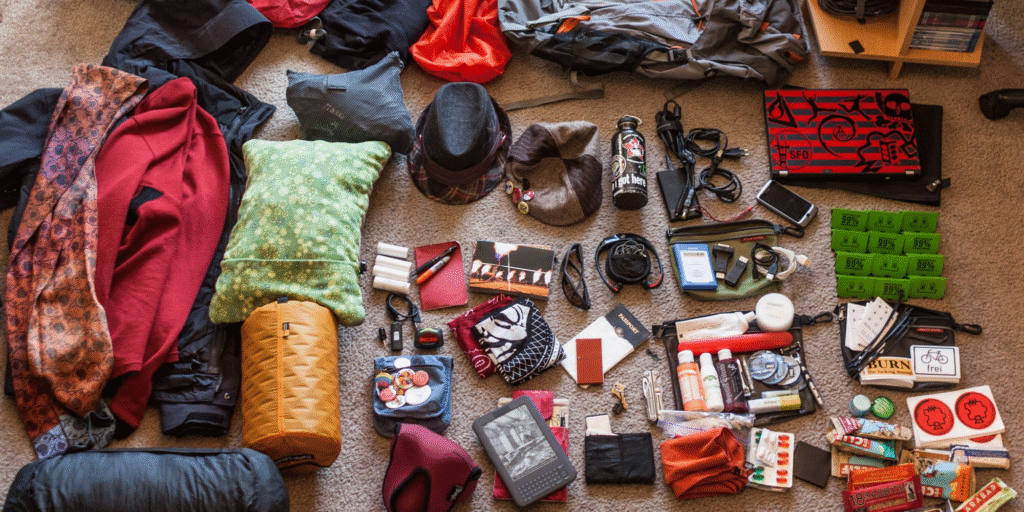
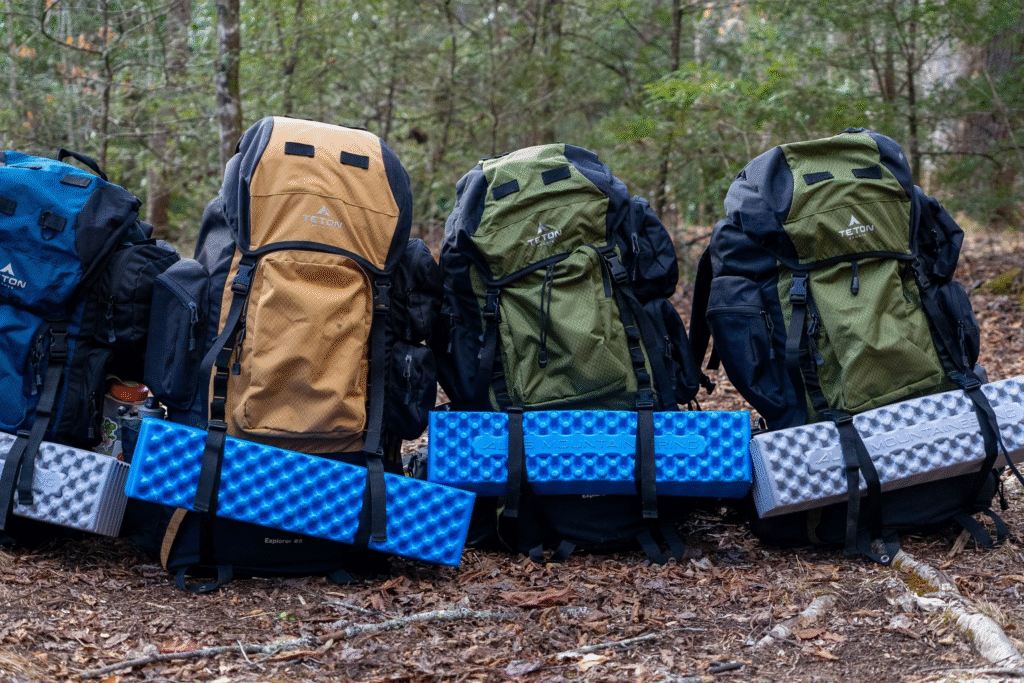
Actual preparation forms choosing the right gear: the weather in Ladakh changes within a snap, and the right layering of clothes forms a huge difference between comfort and discomfort. Pack thermal base layers, an insulated mid-layer, and a waterproof jacket. On rough terrain, good trekking boots with ankle support are a must. Other essentials: trekking poles, a backpack with good support, sunglasses, gloves, a headtorch, and a water-carrying system. Carrying only what is needed can help maintain a consistent walking pace.
Managing and Preventing Altitude Sickness
Any trek in Ladakh involves serious consideration of altitude sickness. Heading out, the early symptoms, like a headache, fatigue, and breathlessness, are signs that indicate the need to prevent further aggravation. Rest, hydration, and gradual ascent are the primary remedies. Some trekkers take preventive medication, but these are to be taken only after due consultation. Natural remedies like ginger tea, garlic soups, and warm fluids help in circulation. If the symptoms worsen, the only safe solution is to descend.
Also Read: 25 Trekking Accessories You Must Carry: Trekking Gear and Equipment List
Dream Land: Your Trusted Travel Partner
Countless travellers rely on local expertise to plan high-altitude treks. Organizations such as Dream Ladakh have conventionally formed a part of the trekking ecosystem in this region. The fact that they know the climate, terrain, and challenges makes them valuable to trekkers seeking reliable support without fuss. Their experience with seasonality, acclimatization schedules, and route variations often enables trekkers to responsibly navigate the demanding trails of Ladakh more effectively.
Recovery After Completion of a Ladakh Trek
Recovery after the trek is important. Mild stretches prevent stiffness and relax the muscles. Proper meals comprising proteins, carbohydrates, and healthy fats bring the energy level back to normal. Rest and rehydration are not to be overlooked; give your body a chance to recover from days in high altitude and rugged terrain.
Conclusion
Preparing for a high-altitude trek in Ladakh involves more than just fitness: it involves stamina building, strength training, nutrition, acclimatization, and mental readiness in a well-balanced combination. Thoughtful preparation for high-altitude trekking makes the stunning landscapes of the Himalayas enjoyable without being so overwhelming. A well-prepared trekker does not merely complete his or her journey successfully but absorbs the real essence of Ladakh’s rugged beauty. Every step on the mountain becomes rewarding when the body and mind are trained in tandem.
FAQs
How to prepare your body for high altitude trekking?
Build your stamina with daily cardio, strength training, and stretching at least 4–6 weeks before your trek!
What is a high altitude trek in Ladakh?
It’s a trek above 3,000 metres through Ladakh’s stunning cold desert valleys, high passes, and remote Himalayan trails!
What is the fastest way to adjust to high altitude?
Arrive in Leh 2 days early, rest well, drink plenty of water, and never rush your ascent — your body will thank you!
How to avoid altitude sickness in Ladakh?
Acclimatize properly, stay hydrated, avoid alcohol, and always follow the golden rule — climb high, sleep low!
How can I strengthen my lungs for high altitude?
Practice deep breathing exercises, diaphragmatic breathing, and regular cardio like running or cycling before your trip!
What precautions to take for Leh’s high altitude?
Rest for the first 2 days, avoid heavy activity, drink lots of water, and watch out for early signs of altitude sickness like headache or dizziness!
Check Out Our Most Popular Treks – Markha Valley Trek | Phyang to Hunder Trek (Nubra Valley) | Spituk to Matho Trek | Rumbak valley Trek | Lamayuru to Hemis Monastry Trek | Lamayuru to Darcha Trek | Rumtse to Tsomoriri Trek | Hemis to Tsomoriri Trek | Padum To Lamayuru Trek | Kibber Tsomoriri & Rumtse Trek | Jhunglam Trekking