
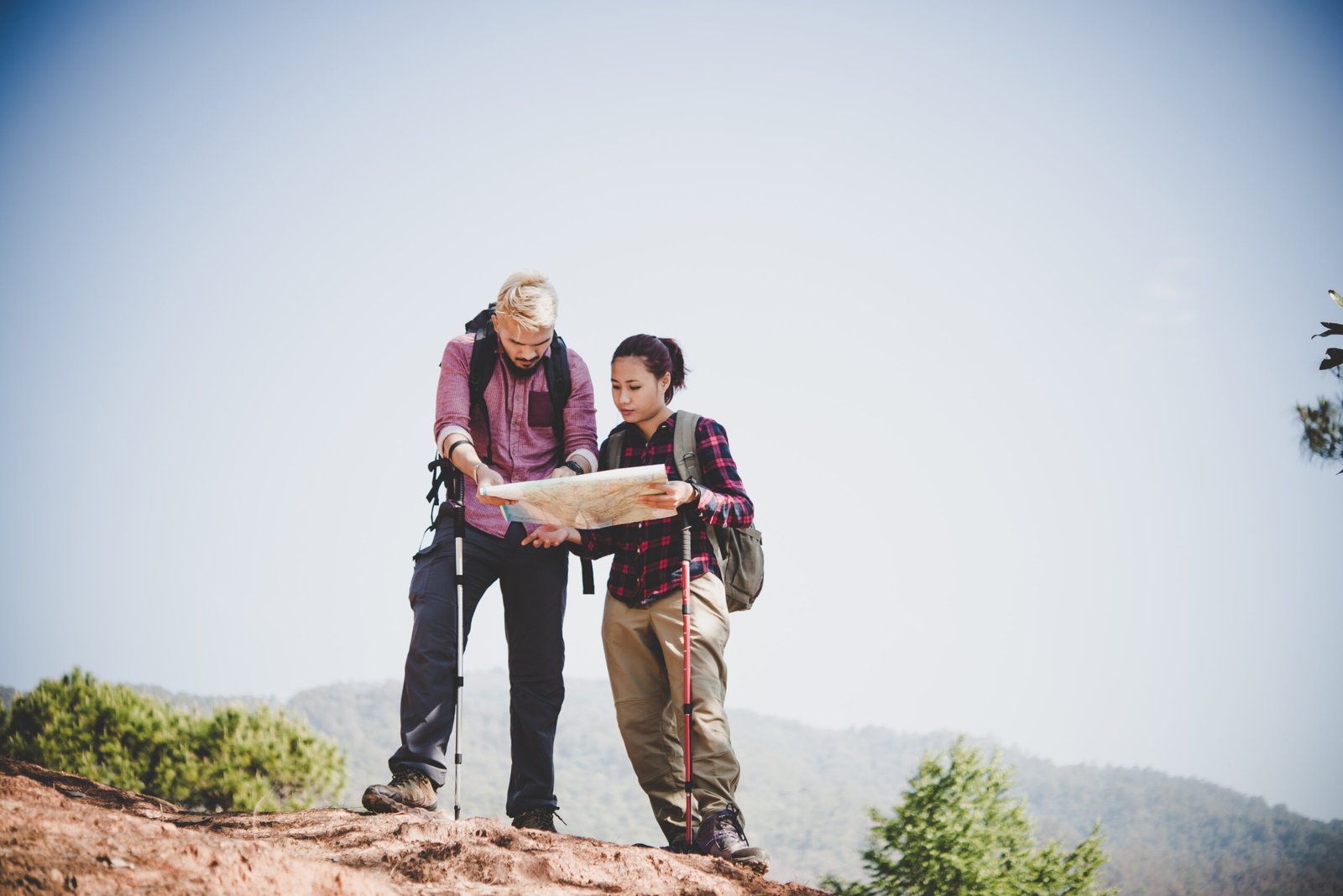
A trek through the mountains is not only about spectacular views, challenging trails and high-altitude landscapes. Food also plays an important role in keeping trekkers energetic throughout the journey. This becomes particularly important when trekking in Ladakh, where long walking hours, cold weather and high elevations can affect appetite and digestion.
For many travellers, managing food gets trickier if they follow vegetarian, vegan, Jain, gluten-free, or other special diets. Local guides can really help here. They know the region, villages, kitchens, and ingredients, so they can help trekkers plan meals that work and are easy to arrange.
Understanding Food Availability in the Mountains
One of the main benefits of having a local guide is knowing what food is actually available along the route. Remote mountain villages don’t offer the same variety as Leh. Some ingredients have to be brought in from bigger towns, and fresh produce might only be around in certain seasons.
A guide can help trekkers figure out their food options before starting a Ladakh trek. They can talk to homestay owners, cooks, and accommodation providers to find out what meals can be made at each stop.
This local knowledge is especially helpful for trekkers with special dietary requirements. Instead of depending only on packaged food or finding out about limits after reaching a remote campsite, travellers can plan ahead.
Communicating Dietary Preferences Clearly
Sometimes, language and cultural differences make it hard to explain detailed food preferences. For example, just saying you’re vegetarian might not make it clear if you avoid eggs, dairy, onion, garlic, or certain ways of cooking.
Local guides often help by acting as a bridge between trekkers and kitchen staff. They can explain your needs clearly and check if a dish has any ingredients you want to avoid.
This is especially helpful when meals are made in homestays or small local kitchens. Rather than hoping the cook understands an unfamiliar dietary rule, the guide can explain it in a way that makes sense locally.
Planning Meals Around Trekking Demands
Food needs also change based on how tough the trek is. Someone walking for hours at high altitude needs enough carbs, protein, fluids, and calories to get through the day.
Guides can help plan meals to fit the trekking schedule. Breakfast can be set up to give you energy for an early start, packed lunches can include easy-to-carry foods, and evening meals can help you recover after a long day.
While trekking in Leh Ladakh, these practical tips matter even more because your appetite can drop at high altitude. Eating smaller, regular meals might be easier than trying to eat big portions.
Also Read: Ladakh Trekking for Beginners
Carrying Suitable Food for Remote Sections
Some trekking routes go through places with limited food options. In these cases, guides can help you choose which snacks or extra foods to bring from Leh.
Dry fruits, nuts, energy bars, roasted snacks, and other light foods are good to pack. If you have allergies or strict dietary needs, it’s a good idea to bring some familiar products you know are safe.
A guide can factor these items into the overall trek requirements, particularly when planning for stretches where resupply options are limited.
Supporting Vegetarian and Jain Trekkers
Vegetarian food is common in many parts of India, but travellers with stricter food rules still need to explain their preferences clearly. For example, Jain travellers may have needs that go beyond just avoiding meat.
Local guides can talk to cooks about these preferences before meals are made. They can also help find good alternatives if the usual menu doesn’t suit everyone in the group.
Preparing like this helps reduce stress and lets trekkers focus on enjoying the experience instead of worrying about their food.
Managing Allergies and Intolerances
Food allergies need extra care. Trekkers should always tell others about their allergies before the trip and bring any needed medicine or emergency supplies, as advised by their doctor.
Guides can pass on allergy information to cooks and accommodation providers, but they can’t promise that every kitchen will be totally allergen-free. If you have serious allergies, it’s important to take your own precautions and double-check ingredients when needed.
Still, good communication between the trekker, guide, and cooking team can go a long way in avoiding mistakes.
Food, Hydration and Altitude
Diet is just one part of staying comfortable at high altitude. Staying hydrated is just as important, especially when trekking for hours in cold, dry weather.
Guides can remind trekkers to drink water regularly instead of waiting to feel thirsty. Warm drinks like tea and soup are also helpful during colder parts of the trek.
If you have ongoing nausea, vomiting, a bad headache, or other worrying symptoms at altitude, tell your guide right away. Changing your diet isn’t a replacement for proper medical care.
Also Read: Why Acclimatization in Leh is Crucial for a Safe Trekking Experience
Discussing Food Before the Trek Begins
One of the easiest ways to avoid problems is to talk about food before you start your trek. Let others know about any allergies, restrictions, preferences, or foods you can’t eat when you’re making your travel plans.
This gives guides and local hosts time to plan. It also helps figure out if you’ll need to bring extra supplies.
For anyone preparing for trekking in Ladakh, treating food as part of the preparation rather than an afterthought can make the journey considerably smoother.
How Dream Land Supports Trekkers
At Dream Land, we have seen how small details can make a considerable difference to a trekker’s experience. In order for our local teams to know what is required along the way, we encourage travellers to let us know about their dietary needs and food preferences prior to departure. In order to make meals more comfortable and useful for various travellers, our guides collaborate closely with local chefs and lodging providers whenever feasible. Good trekking experiences, in our opinion, are based on careful planning, sincere local support, and stunning trails.
Conclusion
Food might not be the first thing you think about when planning a mountain trip, but it can really affect your energy, comfort, and enjoyment. Local guides know a lot about ingredients, kitchens, villages, and how to arrange meals, so they’re a big help in managing food preferences on a Ladakh trek.
By talking about dietary requirements, bringing the right snacks, and sharing restrictions early, trekkers can feel more prepared. With good planning, food is one less thing to worry about, so you can spend more time enjoying the mountains, scenery, and unique culture that make Ladakh special.
Check Out Our Most Popular Treks – Markha Valley Trek | Phyang to Hunder Trek (Nubra Valley) | Spituk to Matho Trek | Rumbak valley Trek | Lamayuru to Hemis Monastry Trek | Lamayuru to Darcha Trek | Rumtse to Tsomoriri Trek | Hemis to Tsomoriri Trek | Padum To Lamayuru Trek | Kibber Tsomoriri & Rumtse Trek | Jhunglam Trekking