
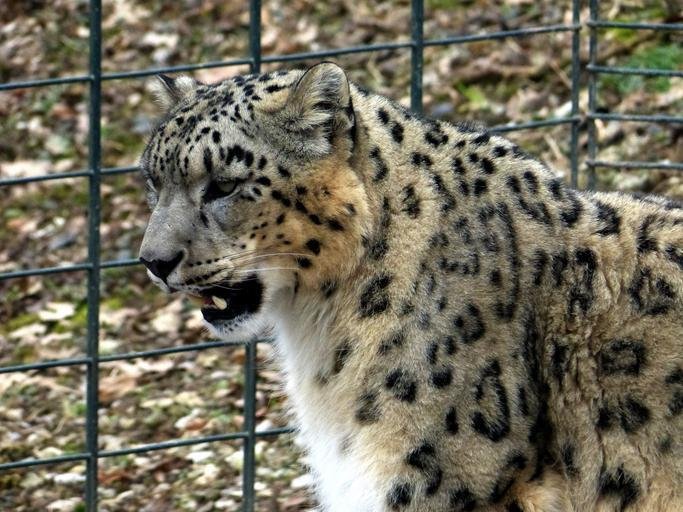
The goal is not just to arrive at a destination, but to spend time in the right environment, move patiently through the cold, and wait for a chance to see one of the Himalayas’ most elusive animals. Planning a snow leopard trek takes more than just arranging transport and a place to stay. You also need experienced local support, the right equipment, warm accommodation, good food, and the necessary permits for your route.
When you compare different itineraries, knowing exactly what is included helps you see which package offers the best value.
Stays in Comfortable Local Accommodation
Accommodation matters on a snow leopard trekking itinerary, especially since Ladakh’s winters can be tough. Depending on your route and the village, you might stay in hotels, guesthouses, homestays, or camps set up for the season.
A good package will clearly list the type of accommodation, room setup, and whether there is heating. In remote areas, the facilities might be simpler than in Leh, but having a warm, comfortable place to rest after a long day outdoors is very important.
Experienced Spotters and Local Guides
Spotting a snow leopard is not just about walking through the mountains and hoping for the best. These cats blend in perfectly and can stay hidden for hours. Experienced spotters know how to read animal behaviour, tracks, movement patterns, and the terrain where sightings are most likely.
That’s why having knowledgeable local guides and wildlife spotters is so valuable. They use binoculars or spotting scopes to scan the slopes, spot movement from far away, and help guests watch wildlife without causing any disturbance.
Also Read: A Day-by-Day Breakdown of a Guided Snow Leopard Trekking in Ladakh
Warm Clothing and Trekking Gear
Getting ready for the cold is essential on a snow leopard trekking holiday itinerary, especially since you’ll spend hours outside waiting for sightings. Each package is different, so check what equipment is provided and what you’ll need to bring yourself.
Depending on the operator and route, your package might include sleeping bags for low temperatures, trekking poles, crampons if needed, gaiters, snow boots, jackets, or other winter gear. Binoculars and spotting scopes might also be provided. You’ll usually need to bring your own layers, gloves, wool socks, sunglasses, sunscreen, and a sturdy daypack.
Meals and Drinking Water
Food is especially important when trekking in cold, high-altitude areas. A good package usually includes daily meals—breakfast, lunch, and dinner—planned around your schedule. Depending on where you stay, menus might offer Indian, Ladakhi, and simple continental dishes.
Hot meals and drinks help make long observation sessions more comfortable. Be sure to check if packed lunches are included for full-day outings and whether drinking water or refill stations are provided.
Permits and Local Permissions
It’s important to check the administrative details before booking your snow leopard trek in Ladakh. Some areas need permits or special permissions, especially where wildlife, border zones, or protected landscapes are involved. The requirements depend on your route and the latest local rules.
Good operators usually help with paperwork and local permissions. Still, make sure to ask if permit fees, entry charges, and other costs are included in the price. This way, you can avoid any surprise expenses during your trip.
Transport and Transfers
Transport is often provided from Leh or another meeting point, especially if the trekking area is several hours away. Packages may include airport transfers, road trips to the starting village, and local transfers during your trek.
This is especially helpful in winter, when snow and weather can affect the roads. Having a planned itinerary means you don’t have to arrange separate transport in unfamiliar areas.
Medical and Safety Support
High-altitude travel requires sensible planning. A responsible Ladakh snow leopard trek package should provide clear information about acclimatisation and basic safety arrangements. Some operators include first-aid support, an accompanying guide and emergency assistance, while others may recommend specific travel insurance.
Check how your itinerary deals with altitude sickness, weather changes, and unexpected delays. It’s especially important to follow acclimatisation advice before spending long days at high altitude.
What Should You Check Before Booking?
Not all packages include the same services, so it’s worth reading the inclusions section carefully. For a snow leopard trekking holiday, compare things like accommodation, number of wildlife observation days, guide-to-guest ratio, meals, equipment, permits, transfers, and what’s not included.
It’s just as important to know what isn’t included. Flights, personal expenses, travel insurance, tips, extra accommodation, camera gear, and some permits might cost extra. A clear itinerary should list these details.
Why Choose Dream Land for the Experience?
At Dream Land, we know that a winter wildlife trip needs careful planning, not just the hope of a sighting. Local experience makes a big difference when plans have to change because of weather, terrain, or wildlife movement. Our snow leopard trek in Ladakh is built around practical arrangements, expert local support, and comfortable stays, while giving you plenty of time for patient wildlife watching. We want your journey to be well-organised but still full of the adventure that draws people to Ladakh in winter.
Also Read: How to Spot The Snow Leopards in Ladakh: Top Trekking Routes, Best Seasons, and Expert Tips
Making the Most of Your Winter Wildlife Journey
A snow leopard trekking experience is really about patience. Sightings aren’t guaranteed, and quietly watching the landscape is part of what makes the trip special.
Before you book your Ladakh snow leopard trek, look past the headline price and see what’s really included. Warm accommodation, meals, spotters, equipment, permits, and transfers all shape your experience. With good preparation and a well-planned itinerary, your trek can be a rewarding way to discover Ladakh’s winter wilderness.
Check Out Our Most Popular Treks – Markha Valley Trek | Phyang to Hunder Trek (Nubra Valley) | Spituk to Matho Trek | Rumbak valley Trek | Lamayuru to Hemis Monastry Trek | Lamayuru to Darcha Trek | Rumtse to Tsomoriri Trek | Hemis to Tsomoriri Trek | Padum To Lamayuru Trek | Kibber Tsomoriri & Rumtse Trek | Jhunglam Trekking