
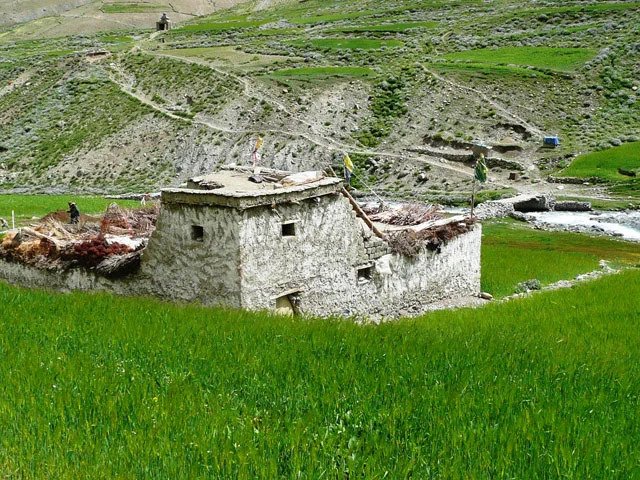
For many trekkers, the Markha Valley marks the real start of a Ladakh adventure. The trail connects remote villages, high passes, river crossings, and impressive mountain views, giving a glimpse into life in the high Himalayas. Experienced trekkers can also choose to extend their journey towards Kang Yatse and try for a summit climb.
Combining both routes is exciting, but climbing a peak is quite different from a regular trek. Before you decide, it helps to know what the extension includes, who it is best for, and if the extra physical demands fit your experience.
Why Combine Markha Valley With Kang Yatse?
The Markha trek is popular because it offers variety and is not just about reaching a summit. The route passes through different landscapes, making it a memorable way to get to know the region.
Adding Kang Yatse trek to your itineray brings in a mountaineering challenge. The mountain stands out above the Markha region, and heading towards it naturally makes the adventure bigger.
The Markha Valley trek is a serious high-altitude journey on its own. If you combine it with a climb, it’s best to plan enough rest and acclimatisation instead of trying to fit everything into just a few days.
Also Read: Markha Valley Trek Route Explained
How Much More Difficult Is The Combined Trek?
The Markha Valley Trek Ladakh route already includes long walking days, steep ascents and high passes. Altitude can make ordinary physical effort feel considerably harder, which is important to remember on the Markha Valley Trek Ladakh route.
Adding a peak climb makes things even more challenging. Depending on the weather and route, you might face snow, steeper ground, colder temperatures, and technical parts. Summit day often means starting early and working hard at high altitude.
That’s why the Kang Yatse 2 trek needs more preparation than a regular valley trek. Having experience with high-altitude trekking really helps.
Who Should Attempt The Peak?
A combined trek is best for people who are already used to multi-day mountain trips. If you’ve done tough treks before and know how your body handles altitude, you’ll be better prepared for the extra challenge.
For first-time Himalayan trekkers, the Markha valley Ladakh experience can be rewarding enough without adding a summit attempt. There is no need to treat the peak as a compulsory extension.
Timing And Acclimatisation Matter
Picking the right season is especially important if you want to combine both treks. The Markha valley trek best time is usually during the main summer season, when the route is easier and the weather is better. However, conditions on the peak can be different from those lower in the valley, so it’s important to plan with this in mind.
When trekking in the Markha Valley, it’s important to plan for acclimatisation. Spending enough time in Leh before starting helps your body adjust. A good itinerary should also avoid climbing to higher altitudes too quickly.
Weather should always be a key factor during your trip. Even in the main season, mountain conditions can change quickly, so you may need to keep your summit plans flexible.
What Does A Kang Yatse Extension Cost?
The Kang Yatse trek cost is generally higher than a standard Markha Valley itinerary because a peak climb involves additional logistics. Depending on the package, this may include; understanding the Kang Yatse trek cost in this context is useful.
When you compare options, don’t just look at the price. Check what’s included, what gear is provided, and how the plan deals with weather changes. A detailed plan is often more valuable than just picking the cheapest choice.
What Is The Peak Experience Like?
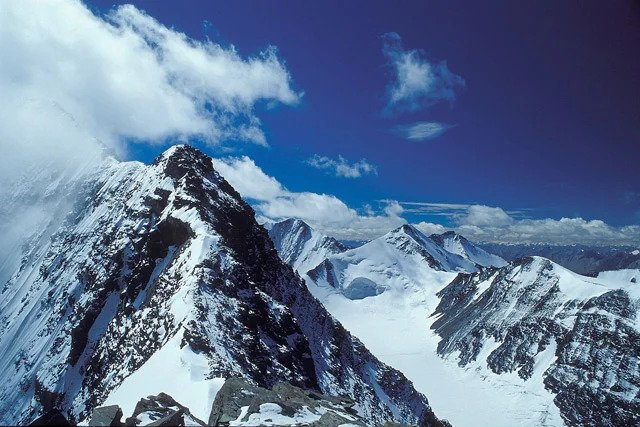
Kang Yatse in Ladakh stands out even from the nearby trails, and it’s easy to see why experienced trekkers are drawn to the mountain.
A Kang Yatse trek often includes special preparation before summit day, plus extra rest and time at higher camps. On a Kang Yatse 2 trek, the summit attempt is usually the hardest part of the trip.
The section of the Markha trek in Ladakh that leads to the mountain is not just a warm-up. It still requires a lot of walking and climbing to higher altitudes.
Trek Or Peak Climb: Which Is Right For You?
If you want to explore Ladakh’s villages, landscapes, and mountain passes at a relaxed pace, the classic trek is probably best. If you already have high-altitude experience and want a bigger challenge, the peak extension is a good next step.
There is also no reason to feel that choosing the regular route means missing out. The wider Markha valley Ladakh experience combines physical challenge, scenery and cultural experiences in a way that makes it a complete Himalayan adventure.
Also Read: Which Time Is Best For Ladakh Trekking?
How Dream Ladakh Approaches The Journey
At Dream Land, we think choosing a trek should start with understanding the journey, not just picking the most ambitious plan. From our experience, realistic planning matters in Ladakh, especially if you’re considering a peak extension. We talk through the route, effort, acclimatisation, and practical needs so travellers can decide what’s right for them. Our goal is to keep things organised and comfortable, while helping trekkers enjoy the landscapes and culture.
Conclusion
Turning a Markha Valley trek into a summit attempt is an exciting choice for experienced trekkers who want more than a regular trek. It brings together the valley’s culture and scenery with the bigger challenge of climbing a Himalayan peak.
Your decision about the Markha Valley trek should depend on your experience, fitness, acclimatisation, weather, and preparation, not just the idea of visiting two places. With the right expectations, the Markha trek in Ladakh can be one of the most rewarding ways to explore the mountains, while the regular trek is still a great choice for those who want a challenging but non-technical adventure.
Check Out Our Most Popular Treks – Markha Valley Trek | Phyang to Hunder Trek (Nubra Valley) | Spituk to Matho Trek | Rumbak valley Trek | Lamayuru to Hemis Monastry Trek | Lamayuru to Darcha Trek | Rumtse to Tsomoriri Trek | Hemis to Tsomoriri Trek | Padum To Lamayuru Trek | Kibber Tsomoriri & Rumtse Trek | Jhunglam Trekking