
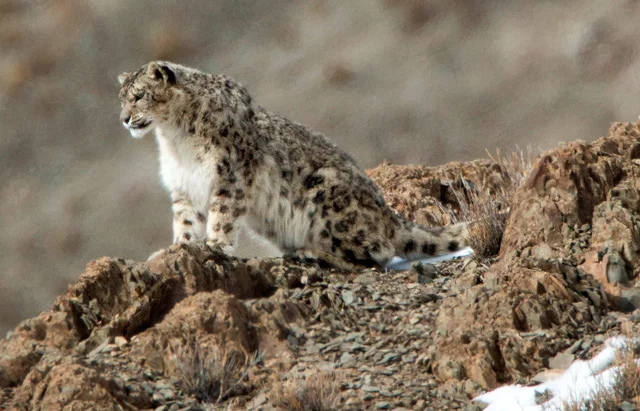
A winter wildlife trip to Ladakh is certainly quite different from the average mountain excursion. The weather is harsh, the scenery is more serene, and there’s a chance to spot one of the most elusive creatures in the Himalayas every day. Instead of hurrying from one viewpoint to another, a guided snow leopard trek emphasises patience, close observation, and gradual acclimatisation.
Snow leopard trekking provides an opportunity to see Ladakh in the winter for tourists who are interested in wildlife and high-altitude scenery. These trips are conducted in isolated valleys where, during the winter, snow leopards migrate to lower altitudes. Travellers can learn about the terrain, weather, and wildlife etiquette from a local team.
Day 1: Arrival and Orientation
The journey usually starts with reaching Leh. The first day of this journey is intentionally made simple as the body needs to acclimatise itself to the altitude. Instead of going into the mountains right away, travellers can spend some time relaxing and attending the orientation with the guide.
The brief will entail the itinerary, weather, clothing, photography and safety considerations. The guides also discuss how the trackers can interpret animal signs and why keeping distance is important. The tone of the entire trekking expedition is established by this introduction.
Day 2: Acclimatisation in Leh
Acclimatisation usually takes up the second day. Travellers can stay active without overtaxing their bodies by taking a quick, leisurely stroll around Leh.
This is also a good chance to inspect the equipment. In colder valleys, it becomes especially crucial to have warm layers, gloves, sunglasses, sturdy footwear, and a dependable daypack. Winter conditions are subject to sudden changes, so planning is essential.
Day 3: Journey to the Wildlife Valley
The group typically heads toward the selected wildlife valley after acclimating. This may entail a picturesque drive through snow-covered terrain prior to arriving at the team’s camp or village, depending on the itinerary.
One aspect of the experience is the journey itself. A dramatic contrast to summer is created by frozen streams, desolate mountains, and tiny towns. In order to teach travellers how subtle signs can indicate animal activity, guides might start searching for tracks and movement.
Also Read: Snow Leopard Trek: The Ultimate Wildlife Adventure in Ladakh
Day 4: First Search
The field’s first full day starts early. The group uses binoculars or spotting scopes to scan rocky slopes while walking or driving to observation points.
Patience is crucial because a snow leopard can stay hidden for hours. Along the route, you might come across blue sheep, ibex, red foxes, or Himalayan birds. These interactions aid travellers in comprehending the larger ecosystem.
Day 5: Tracking and Observation
Travellers frequently start to feel more at ease with the expedition’s pace by the fifth day. They learn to pay close attention to the scenery and the guide’s observations.
New pugmarks, movement between cliffs, or alterations in prey animals’ behaviour can all be helpful hints. Taking pictures of the animal is just as important as reading the surroundings. Additionally, a responsible guide will make sure the group doesn’t overcrowd a sighting or annoy the animals.
Day 6: A Full Day in the Field
Day six can be devoted to yet another search. The guide may decide to go somewhere else or return to a spot where signs were discovered, depending on the weather and recent sightings. Today is yet another concentrated day of the trekking expedition.
This is frequently the point at which the patience acquired in the past becomes useful. If a snow leopard shows up, it might not be seen for very long. It is advised that visitors observe in silence, use long lenses when necessary, and let the animal continue in its natural habitat.
Day 7: Final Wildlife Search
One more chance for observation is offered on the last field day. Based on information gathered over the course of the week, the group might revisit fruitful viewpoints or investigate a nearby area.
The experience has already evolved beyond a single sighting for a lot of tourists. Talking with locals, taking frequent walks through the winter scenery, and the quiet of the mountains all become memorable aspects of the trip. For travellers looking for a more leisurely kind of adventure, snow leopard trekking in Ladakh is appealing.
Day 8: Return to Leh
The last day usually consists of returning from the wildlife zone and back to Leh. After days in the open, this is an opportunity for travellers to reflect upon the experience and sort through photographs. The journey back also emphasises how isolated the trekking areas are. An ethical Ladakh snow leopard trek itinerary must include careful planning, local assistance, and environmental awareness.
Planning Your Winter Expedition
Realistic expectations are a must for any successful winter wildlife tour. Sightings are not assured, and poor weather conditions may influence roads and the trip itself. This calls for flexibility on the part of the travellers and preparation for low temperatures and prolonged watching.
The other key consideration is following the rules. The wildlife must not be approached, fed or disturbed for taking pictures. Travellers should also avoid littering and respect local settlements, monasteries and the mountains.
The best trekking routes strike a balance between getting enough sleep and seeing wildlife. While allowing enough days in the field, a well-paced schedule allows the body to adjust. This is especially important for snow leopard trekking in Ladakh, where winter conditions and altitude can make even short walks difficult.
Also Read: How to Spot The Snow Leopards in Ladakh
Why Choose Dream Land
At Dream Land, we realise that a wildlife tour in Ladakh requires both meticulous planning and a spirit of adventure. As one of the team members, our main aim is to enable the traveller to enjoy his stay amidst the mountains by giving him practical advice, coordination and itineraries which have an adequate amount of time to acclimatise and observe. Our strategy for a snow leopard trek is to make the experience meaningful and comfortable without detracting from its untamed nature. We think that good travel should respect the communities and scenery that make Ladakh unique while providing visitors with unforgettable experiences.
Conclusion
A guided winter excursion will be nothing but a lesson in patience. Whether it is acclimatisation at Leh or hours spent observing faraway ridges, everything becomes part of the experience. A snow leopard trek in Ladakh can provide an amazing introduction to Ladakh’s winter wilderness for visitors ready to embrace chilly mornings, peaceful trails, and erratic wildlife.
Check Out Our Most Popular Treks – Markha Valley Trek | Phyang to Hunder Trek (Nubra Valley) | Spituk to Matho Trek | Rumbak valley Trek | Lamayuru to Hemis Monastry Trek | Lamayuru to Darcha Trek | Rumtse to Tsomoriri Trek | Hemis to Tsomoriri Trek | Padum To Lamayuru Trek | Kibber Tsomoriri & Rumtse Trek | Jhunglam Trekking