
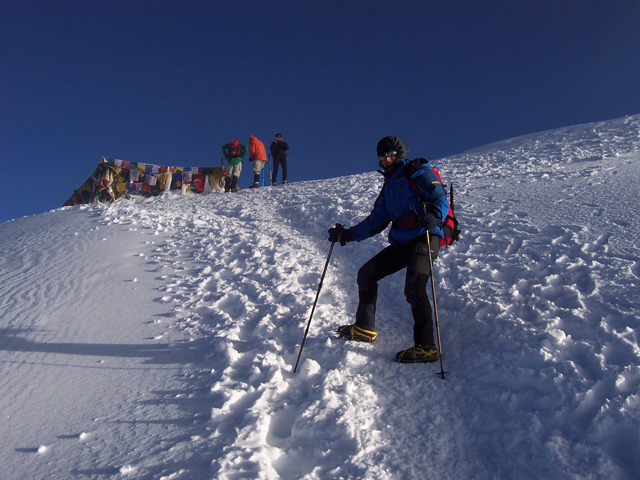
Ladakh is currently one of the most desired treks in the world, attracting trekkers with its mountain scenery, old monasteries, high-altitude passes, and villages in isolated regions. The decision of whether a group or a solo trek is to be opted for is a crucial step for international tourists planning a trekking trip. There are some differences between these two ways to experience the beautiful trek, including costs, safety issues, and flexibility.
Knowledge of these differences allows one to take informed decisions and go on Ladakh trekking according to their budget and level of confidence. Irrespective of whether it is your first Ladakh trek or you are going back for more exploration, the choice of a suitable trekking option could be instrumental to the whole trip.
Understanding the Cost Difference
Budget is always the primary thing considered when planning. A group trek is always cheaper as all costs are divided among participants. The cost of guides, gear, transport, cooking and other logistics is divided making organised treks cheaper for each trekker. Organised treks are especially suitable for foreign tourists who want good services without increasing their budget of the trip to a great extent.
However, on the flip side, trekking solo might entail higher individual expenses. The cost of hiring a personal guide, organising your own transportation and securing permits on your own might add to the total expense. Even though experienced trekkers might reduce accommodation costs by using their own lightweight camping gear, some paths are very hard to access without additional assistance.
It should also be mentioned that additional costs related to emergency planning, porter facilities, or any weather conditions may influence costs more when trekking alone rather than being paid for collectively by trekking groups.
Also Read: How to Spot The Snow Leopards in Ladakh
Comparing the Overall Experience
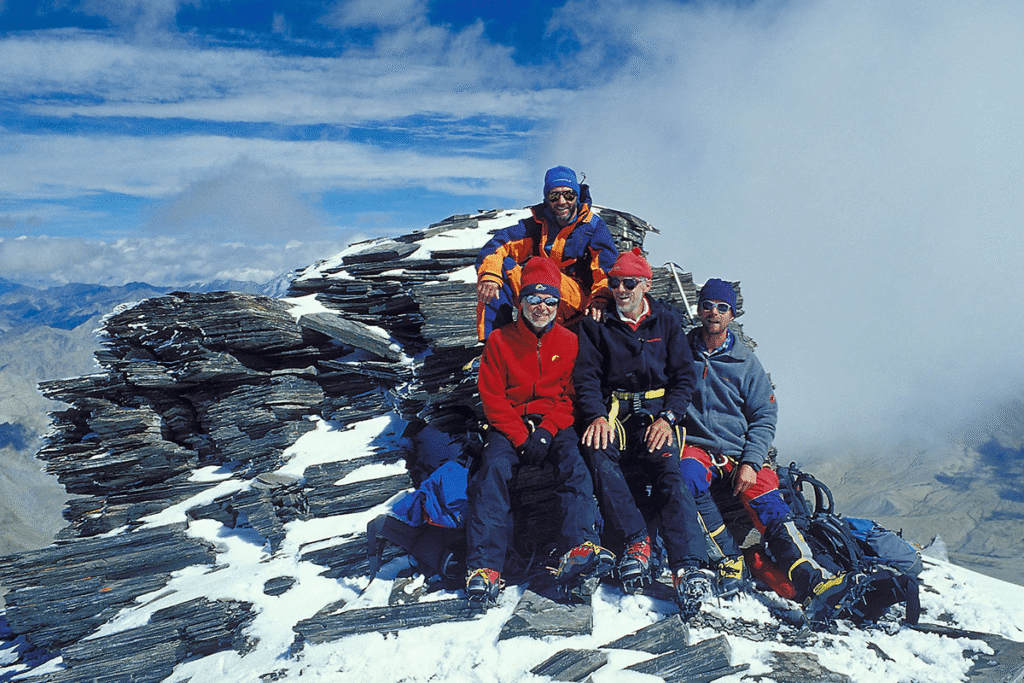
The whole experience varies significantly based on the kind of adventure you wish to pursue. When travelling in a group, socialising is inevitable because you get to meet new people from various parts of the world. You also get to bond over dinner and campsite conversations and may form new friendships which even survive beyond the period of the expedition.
On the other hand, solo trekking ensures complete peace and solitude. This form of trekking is popular amongst many tourists who want to completely enjoy their peace in the mountains of Ladakh. Trekking at their own pace and enjoying the silence of nature gives them a feeling of independence that suits experienced adventurers.
Objectively, neither experience is better than the other. Rather, the decision is based on your preference for either personal freedom or company during your Ladakh trekking journey.
Safety and Navigation Considerations
Safety considerations need to be seriously taken into account, particularly for foreigners who lack familiarity with Ladakh’s difficult terrain and high altitude. Organised trekking groups usually employ experienced trek leaders who have knowledge about the weather situation and emergency situations in the mountains.
For those planning solo trekking, preparation is all the more vital. One must have the ability to navigate well, be equipped with proper communication devices, and also be prepared for the fact that the network will not work in many of the valleys. Changes in weather occur very quickly, which makes route planning inevitable before travelling.
Many seasoned hikers advise starting with a guided trip before attempting an independent expedition in more remote areas.
Flexibility and Personal Freedom
Independent adventures frequently stand out for their flexibility. During a solo trek, hikers can choose their daily routes, modify their plans based on the weather, or take more time to visit villages and take pictures of the scenery. It is not necessary to follow other people’s pace or preferences.
In contrast, a group trek involves following a fixed schedule which is tailored according to the capabilities of the different participants. This makes it difficult to make any spontaneous changes, but on the other hand, it helps plan in an organised manner. Meals, campsites, and even transportation are arranged beforehand so that the trekkers do not need to worry about anything else except trekking.
This methodical approach frequently eliminates a large portion of the uncertainty associated with organising a high-altitude expedition for first-time visitors to India.
Which Option Suits Different Types of Travellers?
It is always wise for first-time trekkers to consider organised departures. Walking alongside experienced guides gives newbies the opportunity to learn about local cultures, mountaineering safety, and altitude acclimatisation without having to handle all logistics themselves. People walking in family or friendship groups and even solo travellers often find it easy to travel in trekking groups.
More experienced trekkers who have undertaken many Himalayan expeditions might find solo trekking more appealing, especially when they seek full independence and are already skilled outdoorsmen. Nevertheless, even such adventurous people need to thoroughly consider route complexity, weather predictions, and availability of help in case of an emergency before going on their own.
Because organised itineraries maximise efficiency and minimise planning responsibilities, travellers with limited vacation time may also favour them.
Also Read: Which Time Is Best For Ladakh Trekking?
Choosing the Right Trek in Ladakh
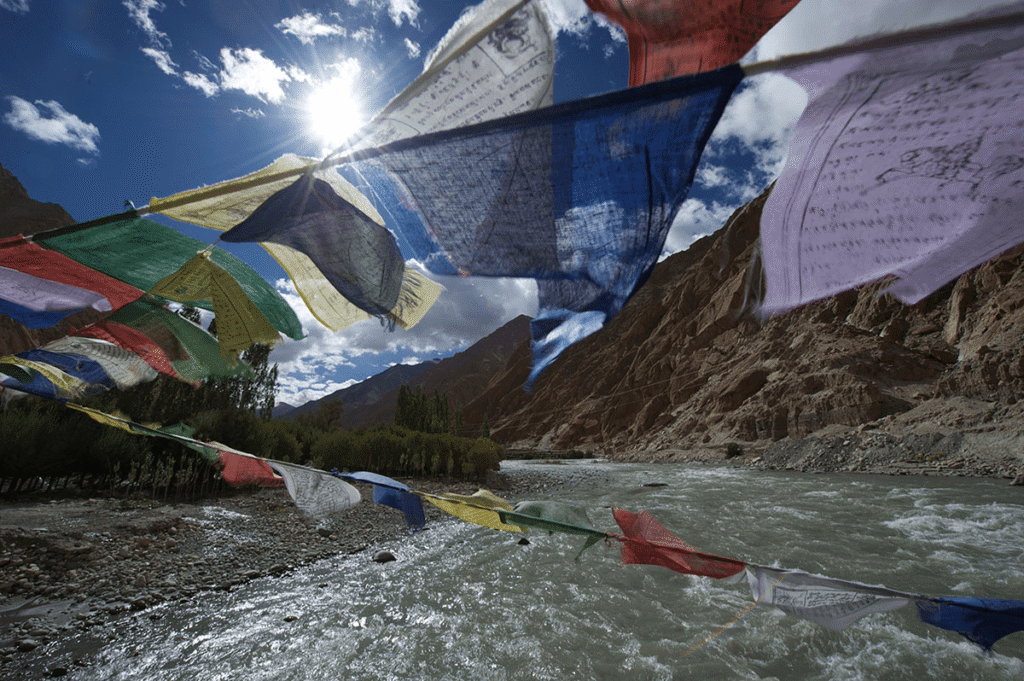
Diversity of trekking trails implies that there is always a route for all fitness levels. Short treks in Ladakh can be interesting for beginners, who will have an opportunity to enjoy splendid views, while this trail will not take more than a few days. In addition, short trails help travellers to adjust to the weather conditions and high altitude before embarking on longer treks.
The harder the treks, the higher the mountain passes, the longer the duration of camping, and the days of walking without roads. Choosing which Ladakh trek to undertake is dependent on one’s level of fitness, experience in treks and the number of days available for the trip.
Even seasoned hikers occasionally start with short treks in Ladakh before moving on to more difficult multi-day excursions. Trekkers can comfortably enjoy the area’s breathtaking scenery while lowering the risks associated with altitude thanks to this methodical approach.
Why Many International Travellers Choose Dream Land
At Dream Land, we have been fortunate enough to receive guests from around the globe, with varied aspirations and varying levels of expertise and desire to venture out into nature. It is not just about putting together an itinerary; it is about finding a trek for every traveller. We emphasise responsible planning, knowledgeable guidance, and genuine experiences throughout the mountains, regardless of whether someone prefers to travel with other adventurers or wants to explore more independently with local support. Every Ladakh trek should, in our opinion, be unforgettable not only for the stunning scenery but also for the comfort, self-assurance, and cross-cultural relationships that travellers acquire along the route.
Conclusion
Ultimately, whether you opt for a group trek or a solo trek is all about personal preference. If what you are interested in is low prices, security, companionship, and organisation, you will probably prefer the former option. On the other hand, experienced travellers who need more freedom and independence should consider solo trekking. However, in both cases, adequate preparations and a responsible attitude to trekking and nature will help you have the most unforgettable experience in your life.
Whether you opt for the classic or the adventure style trek, proper planning, correct acclimatisation, and sensitivity towards the environment will make sure that your Ladakh trekking turns out to be one of the most amazing experiences of your life. Every trip through Ladakh offers breathtaking mountain scenery, significant cultural interactions, and enduring memories with proper planning and assistance.
Check Out Our Most Popular Treks – Markha Valley Trek | Phyang to Hunder Trek (Nubra Valley) | Spituk to Matho Trek | Rumbak valley Trek | Lamayuru to Hemis Monastry Trek | Lamayuru to Darcha Trek | Rumtse to Tsomoriri Trek | Hemis to Tsomoriri Trek | Padum To Lamayuru Trek | Kibber Tsomoriri & Rumtse Trek | Jhunglam Trekking