
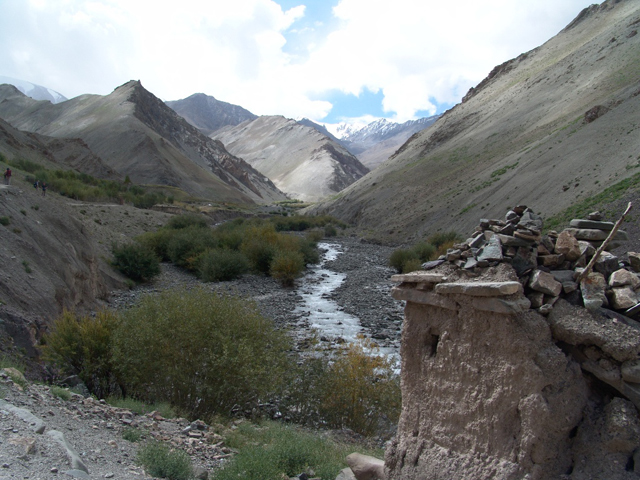
The Markha Valley trek is one of the most famous treks of Ladakh, with its combination of stunning mountain terrain, traditional villages, passes, and old monasteries. Contrary to most of the Himalayan treks which are solely focused on climbing up the mountains, this trek provides the trekkers with a combination of adventure and culture, thus becoming popular among seasoned and novice trekkers who have good physical fitness.
While embarking on your upcoming Ladakh trek, it is important that you know about the path, campsites, daily distance covered, and season in which you should ideally undertake the journey. Before you embark on the trail, this guide explains everything you need to know.
Where Does the Trek Begin?
The traditional Markha Valley trek route usually begins at Chilling, a small village situated approximately 65 kilometres away from Leh. Before moving further on the journey, most tourists spend a couple of days acclimatising themselves in Leh, because the elevation for the whole trek lies between 3,300 meters and above 5,200 meters.
Once across the Zanskar River, the route finally comes into the gorgeous Markha valley. It takes one through many ravines, colourful rocks, riverside routes, old settlements, valleys, and finally takes to the Kongmaru La pass point.
Many tours end up at Shang Sumdo from where tourists reach Leh by car. It normally takes six to eight days to complete the whole trek, depending on the selected route.
Also Read: Ladakh Trekking for Beginners
Day-by-Day Route and Camps
Although itineraries may vary slightly, the following route is among the most popular for Markha valley trekking.
Day 1: Chilling to Skiu
On day 1 of the trek, trekkers walk on gentle trails by the Markha River passing over wooden bridges and rocky trails until reaching Skiu – the ancient village which is home to an old monastery and offers homestays for the trekkers.
Trekking distance: 8-10 kilometres
Day 2: Skiu to Markha Village
The trek in this section involves walking beside the river through fields of willows, farmlands, and villages. Markha Village is the biggest village in this trek and it offers opportunities for experiencing the traditional Ladakhi culture.
Trekking distance: 18-20 kilometres
Day 3: Markha Village to Hankar
In this section, the trekkers pass through beautiful landscapes with steep cliffs, prayer walls, and breathtaking mountains. The trek includes visiting ruins of an ancient fort before reaching Hankar.
Trekking distance: 12-13 kilometres
Day 4: Hankar to Nimaling
As the trekkers approach the high-altitude meadows, the trek climbs up steeply. Nimaling is considered to be one of the most beautiful campsites in Ladakh, surrounded by snow-capped mountains and alpine meadows.
Trekking distance: 9-10 kilometres
Day 5: Nimaling to Shang Sumdo via Kongmaru La
This is considered the hardest day of the journey as it involves crossing Kongmaru La Pass which is about 5260 meters high before descending through colourful canyons to reach Shang Sumdo.
Trekking distance: 15-17 kilometres
Total Trail Distance
The total distance of the Markha Valley trek route is roughly about 65 to 75 kilometres, which may vary depending on the starting point of the journey, campsites, and routes taken. Trekking is not so much an extreme mountaineering experience as it is a moderately challenging expedition, with most trekking days involving five to eight hours of walking.
Altitude is still the largest obstacle, even though the distances are manageable. Prior to beginning the Markha trek, spending at least two nights in Leh significantly enhances acclimatisation and lowers the risk of altitude sickness.
What Makes the Route Special?
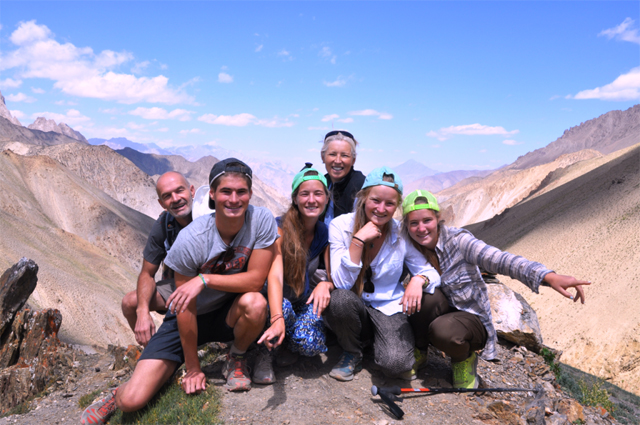
Each day provides a new experience of the unique environment of Ladakh. Trekking through Ladakh is a unique experience where you will walk by glaciers’ streams, pass through ancient monasteries, cross suspension bridges and meet locals whose way of life has been mostly the same for many years now.
Markha Valley trek is well known for its rich biodiversity. The place is inhabited by blue sheep, marmots, Himalayan birds of prey and even the snow leopard, although spotting them depends on luck and season.
Equally appealing is the option of staying in the villages’ homestays or campsites to relish Ladakhi cuisine and their culture.
Also Read: Leh Ladakh in Winter: How to Plan a Safe and Enjoyable Trip
Choosing the Right Season
Choosing the Markha valley trek best time can play a pivotal role in making the whole experience memorable.
The best period for the trek is between June and September when most of the snow melts from the passes and the temperature remains bearable. During these months, rivers become easy to cross, campsites are active, and even homestays in villages become available for visitors.
July and August are months of green valleys set against barren mountains whereas September enjoys clear sky and cool weather, which makes it the favourite month for photography enthusiasts.
During any other month, there may be heavy snowfall blocking the passes. So, choosing the Markha valley trek best time becomes very crucial while planning your tour.
Essential Preparation Tips
Even though the Markha Valley trek Ladakh is easily available to many adventure seekers, adequate preparation makes it an even more pleasant trip.
Strengthen yourself by doing daily exercise such as walking, running, cycling, or hiking a few weeks prior to your travel. Wear light yet warm clothes, a raincoat, trekking shoes, sun cream, sunglasses, refillable water bottles, and a first aid kit.
Considering the fact that there are limited cell phone services along most of the trail, inform your family members at the outset of your journey. Take enough cash as there are no online payment systems available in the villages.
Drinking lots of water and walking at a moderate pace help your body get used to the elevation.
Why This Trek Continues to Inspire Travellers
What makes the Markha trek so appealing is that it offers the perfect blend of beauty, culture, and adventure. Unlike many other mountain trails that can get crowded with people looking for adventure, Markha Valley remains a tranquil place for trekkers to take some time off from the hustle and bustle of life and enjoy the scenic views offered by Ladakh.
Regardless of whether you are traversing the streams of the mountains, enjoying the fluttering prayer flags across the high mountain passes, or simply having tea with some of the local villagers, all of these things make up a part of an experience that will always stay with you after the trip is over. For anyone seeking an authentic Ladakh trek, few routes offer such remarkable diversity within a single expedition.
Experience the Journey with Dream Land
At Dream Land, we have been fortunate enough to guide many travellers in experiencing the beauty of the Markha Valley trek in Ladakh by means of well-organised treks and professional local assistance. Every traveller, in our opinion, should have an experience that connects them with Ladakh’s landscapes, culture, and people rather than merely a trekking schedule. Our goal is to make every Markha Valley trekking experience safe, pleasurable, and unforgettable while enabling you to responsibly explore the area. This includes organising logistics, guaranteeing comfortable accommodations, and providing informed guidance.
Conclusion
The Markha Valley trek is not just a trek in the mountains; it is a trek into the heart of Ladakh’s wilderness, its culture, and its villages. You can confidently get ready for this incredible journey with a well-thought-out itinerary, appropriate acclimatisation, and knowledge of the trail’s camps and distances. The Markha Valley trek route offers an experience that encapsulates the spirit of adventure in the Himalayas, regardless of whether you are embarking on your first Himalayan expedition or adding another location to your trekking list.
Check Out Our Most Popular Treks – Markha Valley Trek | Phyang to Hunder Trek (Nubra Valley) | Spituk to Matho Trek | Rumbak valley Trek | Lamayuru to Hemis Monastry Trek | Lamayuru to Darcha Trek | Rumtse to Tsomoriri Trek | Hemis to Tsomoriri Trek | Padum To Lamayuru Trek | Kibber Tsomoriri & Rumtse Trek | Jhunglam Trekking