
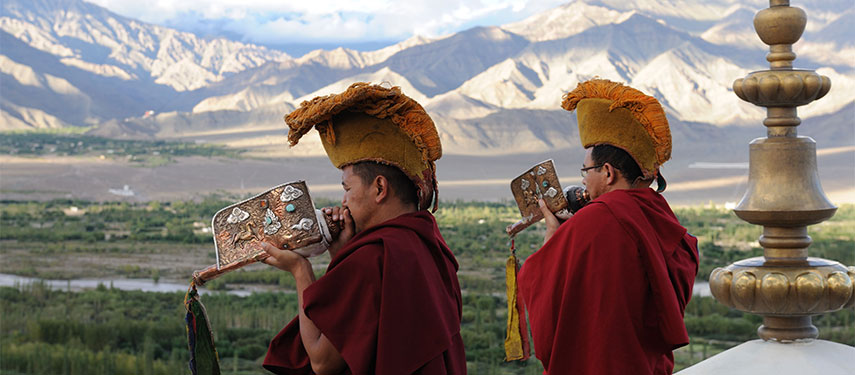
Ladakh is more than monasteries, prayer flags, and mountainous landscapes. Its real essence lies in its geography, climatic conditions and the history of centuries of interaction between people and nature. To understand Ladakh’s culture and traditions it is essential to understand how its people adapt to isolation, the environment, and use daily activities to express themselves. Cultural values are quietly embodied via work, food, storytelling, and shared responsibilities in both isolated villages and busy Leh marketplaces. Travellers can see Ladakh as informed participants in a live cultural setting rather than as spectators thanks to this wider perspective.
The Role of Geography Shaping Culture
The rough terrain of Ladakh has had a big impact on societal attitudes and behaviour. Long winters and few supplies have encouraged cooperation, patience, and resilience. In the past, villages were close-knit communities where survival depended on collaboration. Water management, seasonal migration, and agricultural cycles all produced rhythms that shaped moral principles and social conventions. These elements explain why local customs place a higher priority on harmony, balance, and group well-being than on individual excess.
Also Read: Traditional Dress of Ladakh for Men and Women
Everyday Life Apart from Ceremonies
While festivities garner attention, everyday activities demonstrate the true nature of Ladakhi society. A great sensitivity of the environment is evident in the homes in the neighbourhood, which are built to retain as much heat and sunlight as possible. Local dairy, barley, and preserved vegetables are essential components of sustainable eating habits. Both practical and symbolic, clothing often represents social status and regional identity. By examining day-to-day existence, Ladakh’s culture and traditions can be comprehended as a practical system founded on survival, respect, and continuity rather than ostentation.
Spirituality as a Way of Living
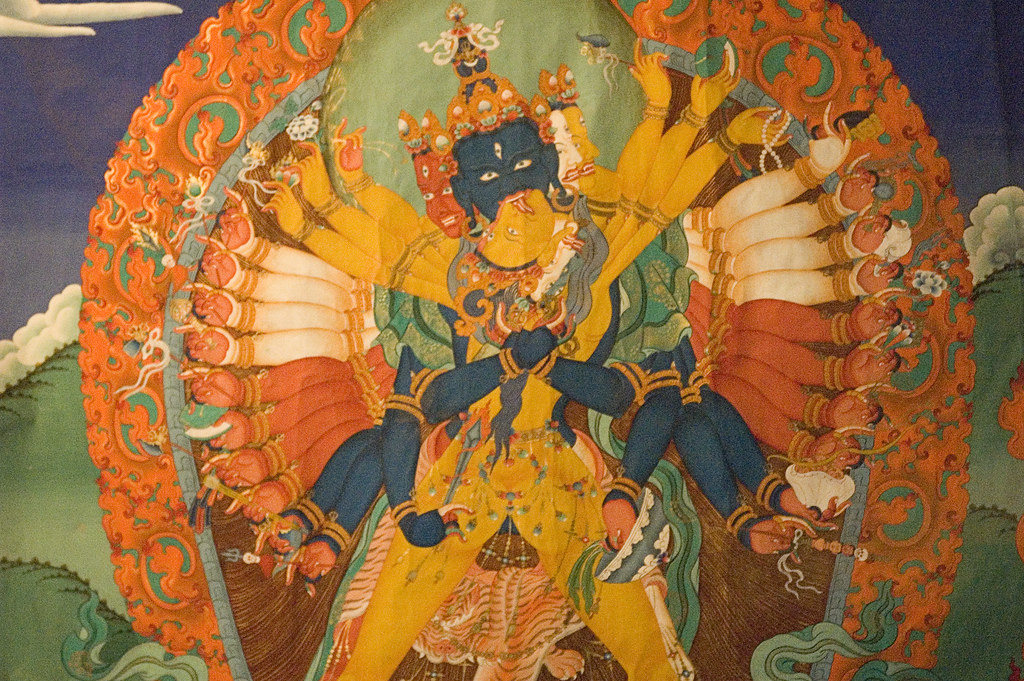
Religion in Ladakh is not only restricted to monasteries and prayer halls. Spirituality seeps into every aspect of their lives, whether it is agriculture, tourism, or hospitality, in such a manner that their acts of kindness, such as sharing water or maintaining neighbourhood shrines, qualitatively express this code of conduct. Ladakh customs are based on this kind of lived spirituality, in which faith shapes action but does not dictate it.
Balance of Nature, Wildlife, and Culture
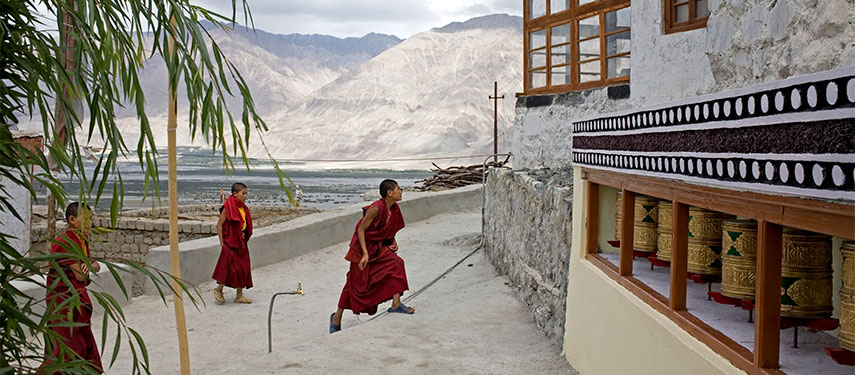
For generations, the Ladakhis and the natural ecosystem have coexisted on almost every level. Ladakh’s wild animals are valued in local farming practices, culture, and conservation efforts. Instead of being viewed as pests, species like the Himalayan ibex and snow leopard are believed to survive with humans. Such cohabitation reflects a long-standing, multigenerational understanding of the environment. Additionally, human settlement patterns, seasonal migrations, and grazing methods are all influenced by Ladakh’s animals, all of which promote harmony between humans and the environment.
Journeys, Trade, and Cultural Exchange
Ladakh was once located near important trade routes that linked Tibet, Central Asia, and the Indian subcontinent. A range of ideas, crafts, and culinary customs were introduced to the region as a result of these exchanges. Walking pathways and passes continue to represent these historical connections. When trekking in Ladakh, contemporary tourists sometimes follow the paths initially used by pilgrims and traders. These trips demonstrate how social openness, language, and identity were impacted by generational mobility and interchange.
Community Values and Social Structure
Cooperation and respect for one another are important aspects of Ladakh’s social life. Traditionally, decisions were made by community consensus and elders. Construction, farming, and celebrations are frequently team endeavours. Even as contemporary influences increase, these principles are still important. Visitors can recognise how shared responsibility and trust continue to be essential to local life, fostering resilience in a changing environment, by comprehending the traditions and treks in Ladakh within a cultural framework.
Language, Art, and Storytelling
Through language and cultural expression, Ladakhi identity is delicately yet successfully maintained. Oral storytelling continues to provide a means of recalling history, humour, and the lessons of right and wrong. Traditional songs and dances reflect the community bonds, agricultural cycles, and seasonal changes. Metalworking, weaving, and woodcarving are examples of handicrafts that are both aesthetically pleasing and useful, influenced by everyday requirements and the climate. Instead of using ceremonial methods, these artistic mediums promote cultural memory in organic ways.
Hospitality and Social Etiquette
The pivots of Ladakhi hospitality are generosity and respect. Regardless of who you are, guests are welcomed with warmth, tea is always offered, and often some simple food. This custom is derived from the awareness that travellers in harsh landscapes have to rely on one another. Important social etiquette includes humility, patience, and listening well. By following these customs, visitors can feel how day-to-day interactions can be coloured with compassion and decency, as well as strengthen bonds between generations.
Seasonal Rhythms and Food Practices
In Ladakh, it is the rhythm that takes precedence over the calendar. Summers are for maintaining agricultural fields, renovating homes, and helping out in the community, whereas winters are for taking it easy and engaging in some indoor crafting activities. All this is reflected in the cuisine as well, as the food is either allowed to ferment, dry out in the sun, or preserved so that it can withstand the harsh winter. Recipes are designed in such a way that they can both sustain and warm the soul. By understanding these cyclical patterns, visitors can better understand why Ladakhi culture values preparation, patience, and attentiveness.
Learning through Observation
Rather than hurrying from one highlight to another, slowing down allows for deeper comprehension. Observing how residents work, interact, and unwind reveals values that shape behaviour. Silence, deference, and observation are often more important than asking questions. By using this tactic, tourists can engage with Ladakh on its terms and overcome stereotypes.
Also Read: 30 Famous and Traditional Festivals Celebrated in Ladakh
Preserving Tradition within a Modern Framework
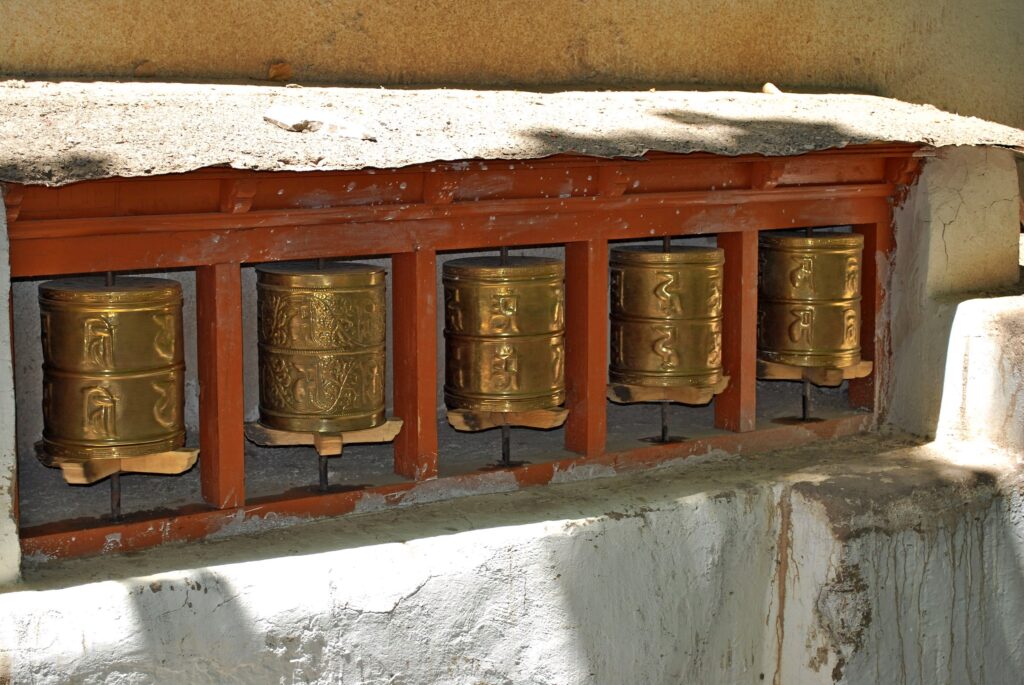
Tourism and globalisation concurrently bring about new opportunities as well as challenges. Aspirations are shifting, mainly among the younger people, because of education, technology, and connectivity. However, language, crafts, and customs are being duly preserved. Cultural centres, local schools, and community initiatives all contribute to the proper protection of heritage. Because Ladakh culture can change without losing its fundamental components of harmony and kindness, it is still relevant today.
Dream Ladakh: Responsible Living of Culture
At Dream Land, we do not limit ourselves to mere sightseeing. We create experiences that oblige the noble interaction with the surroundings, community, and tradition. In guiding visitors through neighbourhoods, explaining customs, or promoting sustainable practices, we hope that they will participate wisely. Every overseas traveller, by travelling with Dream Land, receives a greater cultural awareness and at the same time supports the community and its citizens.
Conclusion
To fully understand Ladakh, one must venture beyond customs and historical sites. Shared duties, daily decisions, and a profound regard for nature are the cornerstones of its culture. Travellers can engage with the area more sensibly and politely when they are conscious of these levels. Ladakh’s traditions are continuously evolving, but they are fundamentally based on concord, harmony, and resiliency, and they offer wisdom that transcends the mountains. Travellers worry about these issues long after they return home.
Check Out Our Most Popular Treks – Markha Valley Trek | Phyang to Hunder Trek (Nubra Valley) | Spituk to Matho Trek | Rumbak valley Trek | Lamayuru to Hemis Monastry Trek | Lamayuru to Darcha Trek | Rumtse to Tsomoriri Trek | Hemis to Tsomoriri Trek | Padum To Lamayuru Trek | Kibber Tsomoriri & Rumtse Trek | Jhunglam Trekking