
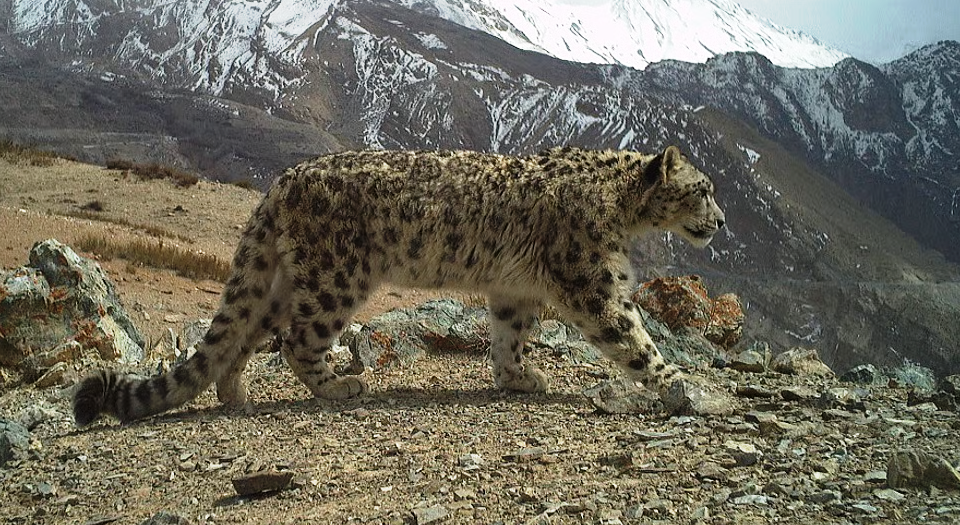
Hidden in the Himalayan snow gorges, a shy animal is reported to wander, earning it the nickname “Ghost of the Mountains.” The snow leopard in India is one of the most beautiful and mysterious of nature’s predators, captured in a silent encounter for the serious adventurer. The pristine, unspoiled beauty of the high Himalayas, which few people even get to see, is hidden within Ladakh’s harsh, barren landscapes.
Welcome the Ghost of the Himalayas
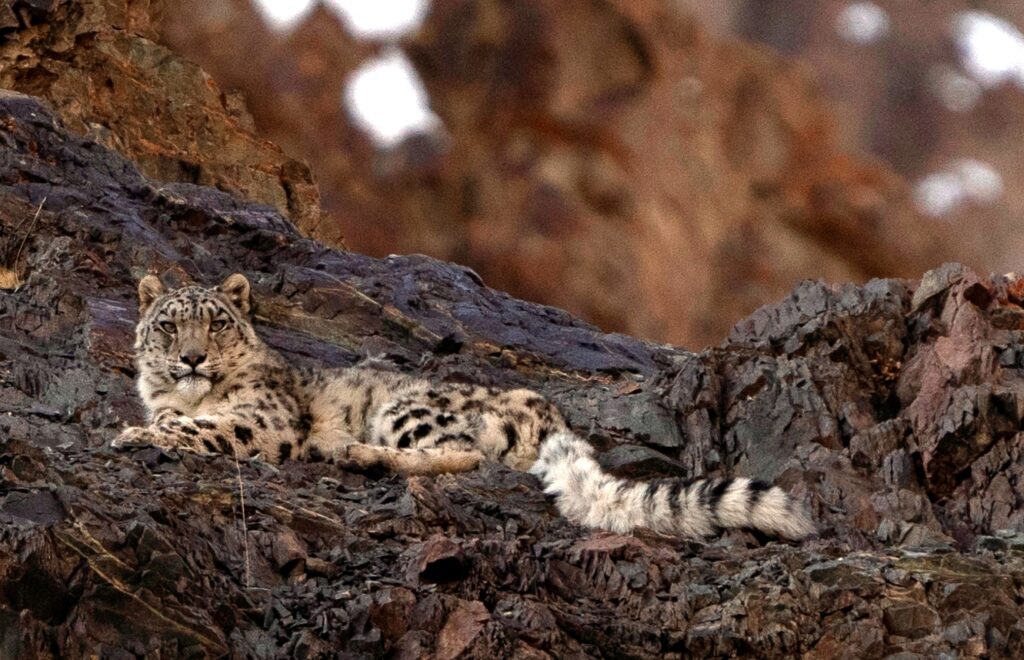
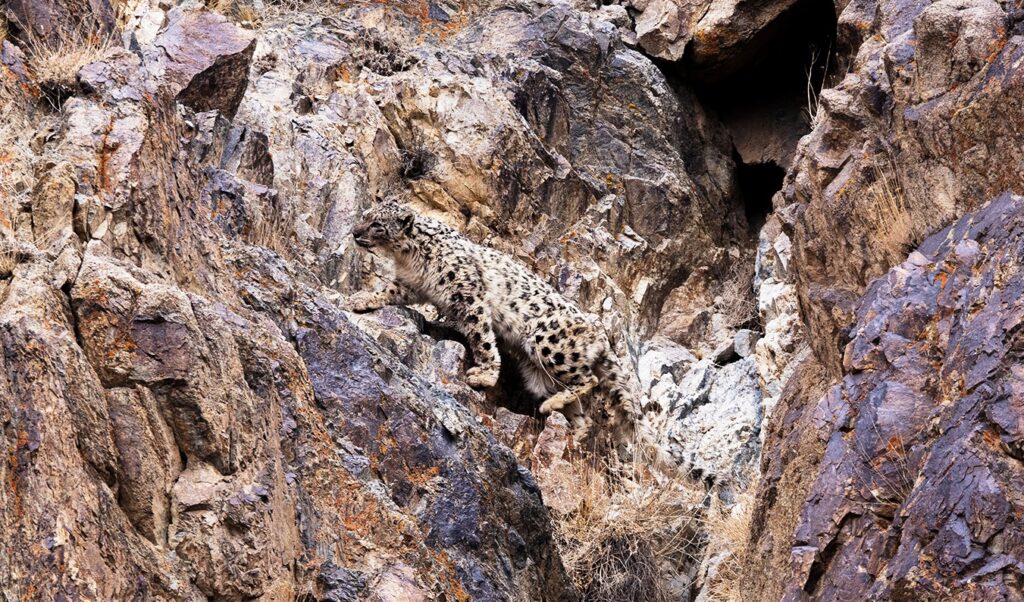
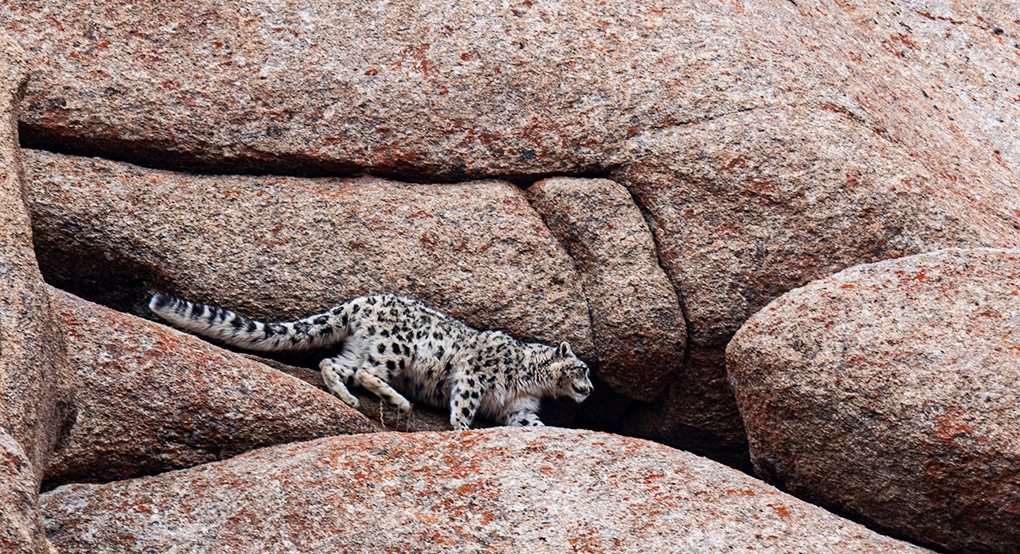
They refer to it as the ghost of the Himalayas, a name which calls to account simultaneously the marvel and the enigma of this majestic cat. The snow leopard moves silently across snowy outcrops in silent beauty that borders on the mystical. They have thick fur coats that fully enclose their bodies against the rock outcrops, which render them nearly ghostly to the eye. These adaptations make the snow leopard in India one of the most elusive predators found in the high-altitude Himalayan region.
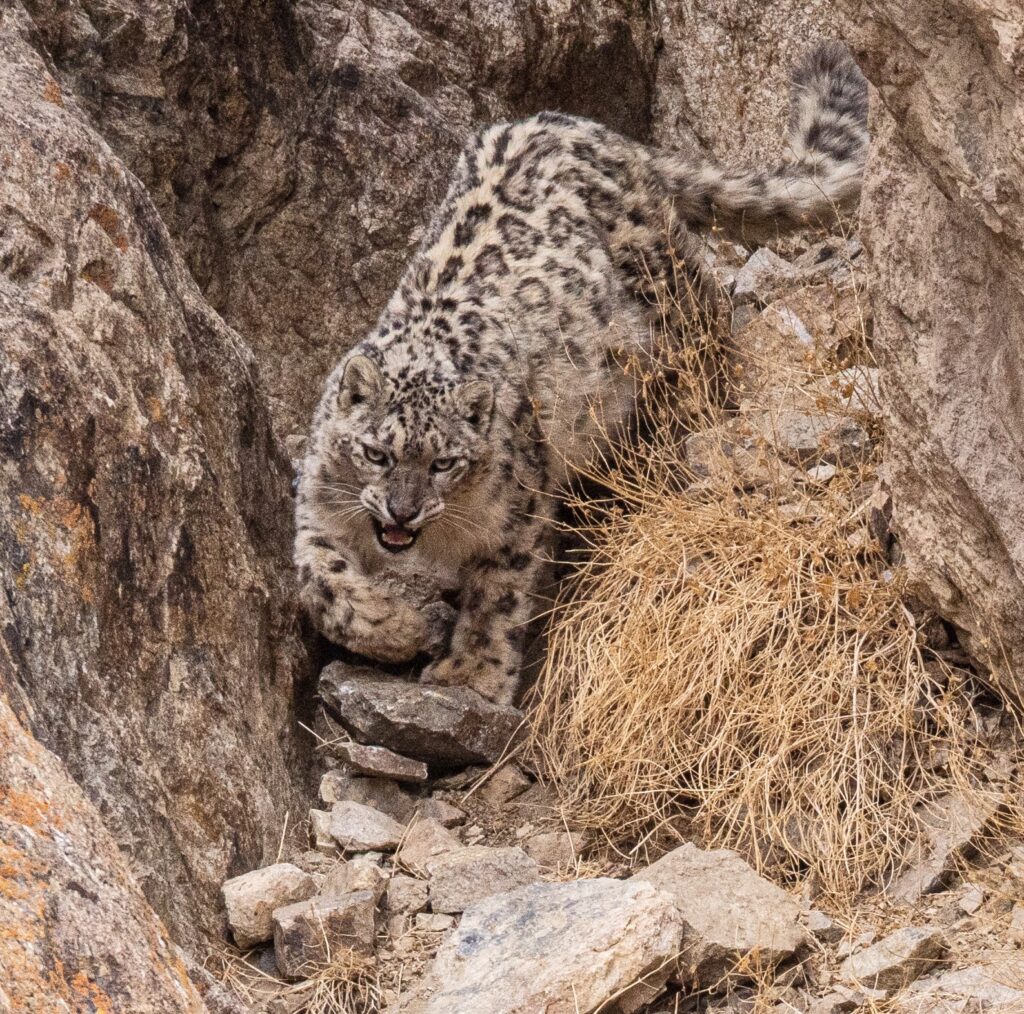
For nature lovers, sighting the snow leopard in the wild is one of the best experiences they have to offer. This makes snow leopard trekking in Ladakh a pleasure to be savoured, with the option to see this mythical killer in its natural habitat. In Ladakh’s desolate valleys and rocky ridges, particularly in Hemis National Park and Rumbak Valley, the snow leopard is the unchallenged monarch.
What’s So Special About the Snow Leopard
The snow leopard is more than just a wild cat; it’s a symbol of balance in the delicate Himalayan ecosystem. Its existence is a barometer of the mountain environment’s health.
The Scientific Identity
The snow leopard scientific name is Panthera uncia. The creature belongs to the same family as lions and tigers and is special for its adaptation to high altitudes and cold climatic conditions. While possessing the grandeur of the two, the snow leopard has learned to survive where other creatures cannot.
Appearance and Physical Characteristics
It’s a beauty in the small things: a dense, grey-smoke-colored coat with rosettes dotted all over it, holding in neatly with its rocky landscape. Its dense, long tail stabilises it on snowy cliffs and also serves as a wrap during winter.
In terms of power and size, this cat is quite small. The snow leopard’s size is 90 to 115 cm body length, not including the tail, with a further 80–100 cm. The snow leopard’s weight is usually between 27 and 55 kilograms, depending on sex and landscape. Its proportions, along with its powerful hind legs, enable it to jump up to 15 metres, an impressive feat in the Himalayas.
Also Read: Snow Leopard Trek: The Ultimate Wildlife Adventure in Ladakh
Where Do Snow Leopards Live in India
So, where do snow leopards live? Snow leopards in India reside in the cold deserts of the Himalayas and high mountains. They inhabit Ladakh, Himachal Pradesh, Uttarakhand, Sikkim, and Arunachal Pradesh.
But Ladakh is still the crown jewel of snow leopard spotting. Barren and otherworldly, its landscape provides the most promising routes to view this elusive predator. Snow leopard habitat in Ladakh consists of valleys such as Hemis National Park, Rumbak Valley, and Ulley Valley. These are among the precious few where Dream Ladakh offers guided snow leopard trek activities that are an adventure, responsible, and learning-based.
Imagine walking through ridges of snow under a blue sky, the crunch sound of snow and then in the distance, the shadow gliding effortlessly across the white landscape. That is the wizardry of Ladakh’s snow leopard country.
Snow Leopard Population in India
India possesses an estimated number of 500–700 snow leopards, the highest percentage of which reside in Ladakh. Snow leopards are wary creatures, but there are viable populations in protected reserves such as Hemis National Park that were discovered by conservationists.
During winter, when it’s cold, snow leopards descend to lower altitudes for food. This migratory movement is the rationale for the increasing popularity of snow leopard trekking in Ladakh, offering an experience of a lifetime to see one in its natural habitat. For most, it’s not a trek but a visit to the inner Himalayas, an experience that one cannot forget.
Why Snow Leopards Are Vulnerable in the World
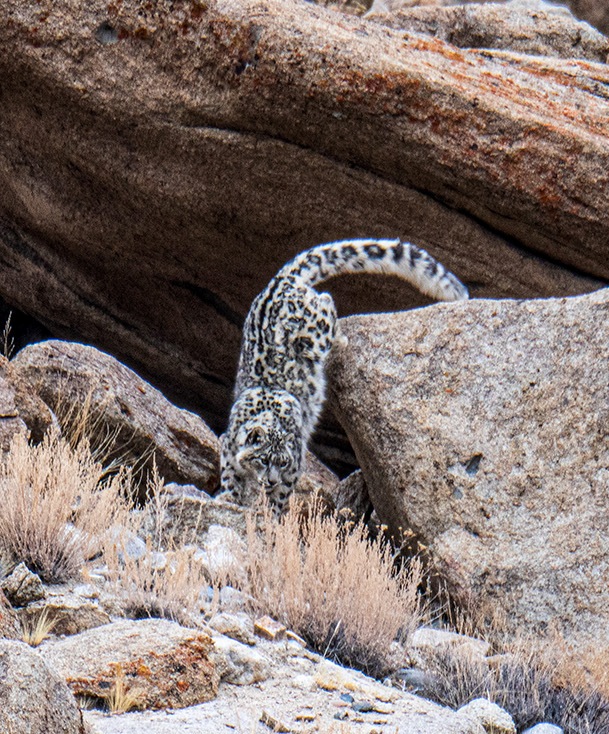
But then, why are snow leopards endangered? Snow leopards are vulnerable globally, as per the IUCN. They are threatened by habitat fragmentation, poaching, and prey-based depletion like ibex and blue sheep. Climate change is also altering their fragile ecosystems, leading them to confront humans as they migrate towards human settlements in search of sustenance.
Because of all these problems, grassroots conservation measures have managed to stabilise the numbers in recent years. The most important ingredient in this success is sustainable tourism because it supports the domestic economy without destroying the natural scenery.
Interesting Snow Leopard Facts
Some interest snow leopard facts:
- The scientific name of a snow leopard is Panthera uncia.
- It cannot roar like the rest of its large cat family because it possesses unusual vocal cord characteristics.
- Snow leopards are accomplished jumpers and will leap a distance of six times their body length.
- Their coats are 12 cm in thickness, ideal for retaining cold.
- Snow leopards use their long tails to balance and as a means of retaining warmth.
- Snow leopards are solitary and predominantly nocturnal.
- Blue sheep, Himalayan tahr, and ibex constitute their diet.
- They are born blind and develop eyes after surviving for about seven days.
- They live in altitudes between 3,000 to 5,500 meters.
- Just like fingerprints in the case of human beings, each snow leopard has an individual rosette pattern.
Imagine sighting one on your snow leopard expedition Ladakh, its sun-baked, grey winter coat something you’ll never erase from memory.
Also Read: Best Winter Treks in Ladakh – Easy, Tough and Short Treks
Best Time to See Snow Leopards
November to March is the best time to undertake snow leopard trekking in Ladakh. Snow leopards move into the valleys, and so the chances of sightings are higher.
Where to Spot Snow Leopards in Ladakh
- Hemis National Park: Most sought-after and easiest place to spot.
- Rumbak Valley: Famous for regular snow leopard pug marks and local homestays.
- Ulley Valley: A quiet zone with great scope for photography.
Join Snow Leopard Expedition with Dream Land
Dream Land arranges snow leopard expeditions in Ladakh for nature lovers and wildlife photographers. With their local guides, skilled trackers, and ecologically sound camps, they make all their expeditions comfortable and responsible ones.
Every journey is a balancing act between thrills and duty, and watching wildlife without interfering with their natural path. With Dream Land, the traveller catches a glimpse of Ladakhi life while one shadows one of the planet’s most threatened animals. It’s nature, culture, and conservation in perfect harmony.
Book your snow leopard trek with Dream Land and experience the magic of the Himalayan wild.
Conclusion – Witness the Fierce Splendour of Ladakh
It is to step into a world where there is silence and nature keeps secrets intact with the passage of years to sight a snow leopard in India. These elusive leopardines, their delicate elegance and savage bulk, are the secret of the great Himalayas.
For the bold who withstand it all to spot them, Ladakh’s Himalayas provide not only a trek but an experience, a reminder of how little we are compared to nature’s grandeur. With like-minded individuals who are accountable like Dream Ladakh, you can write your own book of discovery while contributing to the cause of protecting this delicate marvel of the wilderness.
FAQs
Where are snow leopards found in India?
The snow leopard in India are dispersed in Ladakh, Himachal Pradesh, Uttarakhand, Sikkim, and Arunachal Pradesh, and the place of Ladakh is the best to watch.
How many snow leopards are there?
There are around 500–700 snow leopards in India, and the largest population is in Ladakh.
What are 10 interesting facts about snow leopards?
They are thick-furred, long-tailed, inhabit high mountains, cannot roar, jump 15 meters, possess special rosettes, graze blue sheep, are a solitary species, give blind cubs at birth, and are vulnerable.
What else is a snow leopard called?
They also go by names such as “Ghost of the Mountains” or “Phantom of the Himalayas.”
Why are snow leopards endangered on our planet?
Thanks to habitat loss, poaching, climate change, and human-wildlife conflict, conservation protects them.
Check Out Our Most Popular Treks – Markha Valley Trek | Phyang to Hunder Trek (Nubra Valley) | Spituk to Matho Trek | Rumbak valley Trek | Lamayuru to Hemis Monastry Trek | Lamayuru to Darcha Trek | Rumtse to Tsomoriri Trek | Hemis to Tsomoriri Trek | Padum To Lamayuru Trek | Kibber Tsomoriri & Rumtse Trek | Jhunglam Trekking