
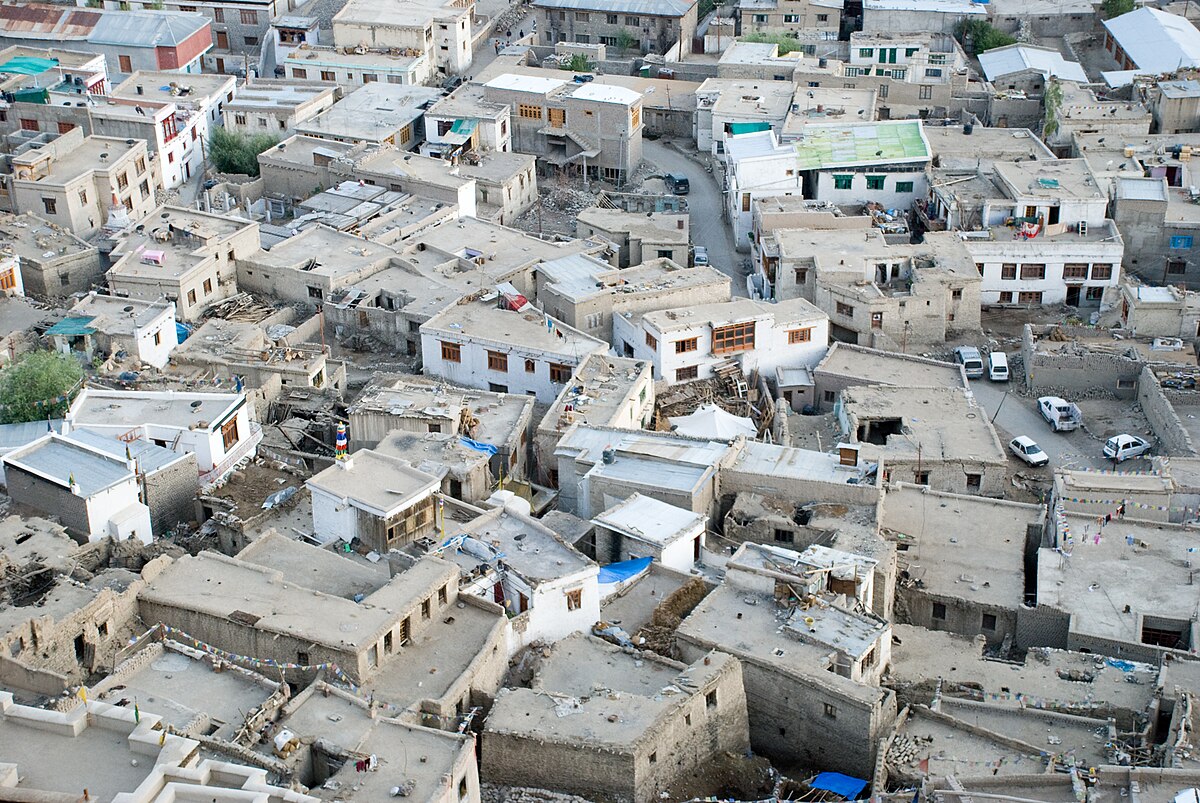
Smack in the middle of the majestic Himalayas lies Leh Ladakh City, which is an amalgamation of heritage, spirituality, and mountain charm. While most travellers are drawn to its lakes and valleys, the real essence of Ladakh lies within the narrow alleys and ancient structures of Leh Town, the heart of its history and culture. Every step into the Old Town is a stride into the past, and every nook tells a tale of fortitude, trade, and tradition.
The Historical Soul of Leh
The Old Town of Leh counts as one of the oldest continuously inhabited settlements in the region. Its roots trace back to the 15th and 16th centuries, during the reign of King Sengge Namgyal, often called the “Lion King” of Ladakh. The Namgyal dynasty was at its height during this time, and Leh developed into a major destination for the caravans travelling the historic Silk Road. Tibet, Central Asia, and Kashmir all sent caravans through this high-altitude desert with spices, wool, and valuable stones, bringing with them a variety of cultural influences that enhanced Ladakh’s legacy.
Over the centuries, the place grew into a town with organic growth around the magnificent Leh Palace, with houses and monasteries flowing down the slopes below it. To this date, the maze of stairways, passages, and courtyards maintains the medieval character of the place and is representative of a living link to Ladakh’s royal past.
Architecture and the Allure of Mud Houses
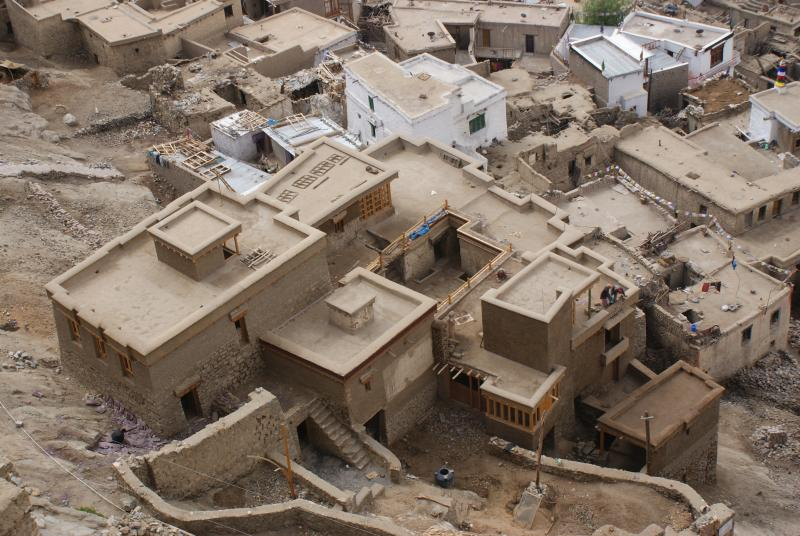
Among the Old Town’s outstanding features is its architecture. The mud houses in Ladakh stand as testimony to traditional Himalayan craftsmanship and ecological wisdom. Made of sun-dried bricks of mud and straw, these homes remain amazingly warm during freezing winters and cool during the harsh summer heat.
Most of these are multi-storeyed dwellings with intricately carved wooden windows and doors, bespeaking the artistic finesse of Ladakhi artisans. Their flat roofs are utilised to dry vegetables, store hay, or simply to bask in the mountain sun. Unfortunately, with modernisation and a change in lifestyle, this age-old architecture is in jeopardy, though a number of restoration projects now seek to preserve it as part of the living heritage of Ladakh.
Cultural Tapestry of the Old Town
More than architecture, the soul of Leh Ladakh city resonates with the people and traditions of the Old Town. You walk through narrow lanes and hear the melody of life: women spinning wool in the open courtyards, monks on their way to monasteries, and prayer flags flapping in the mountain breeze.
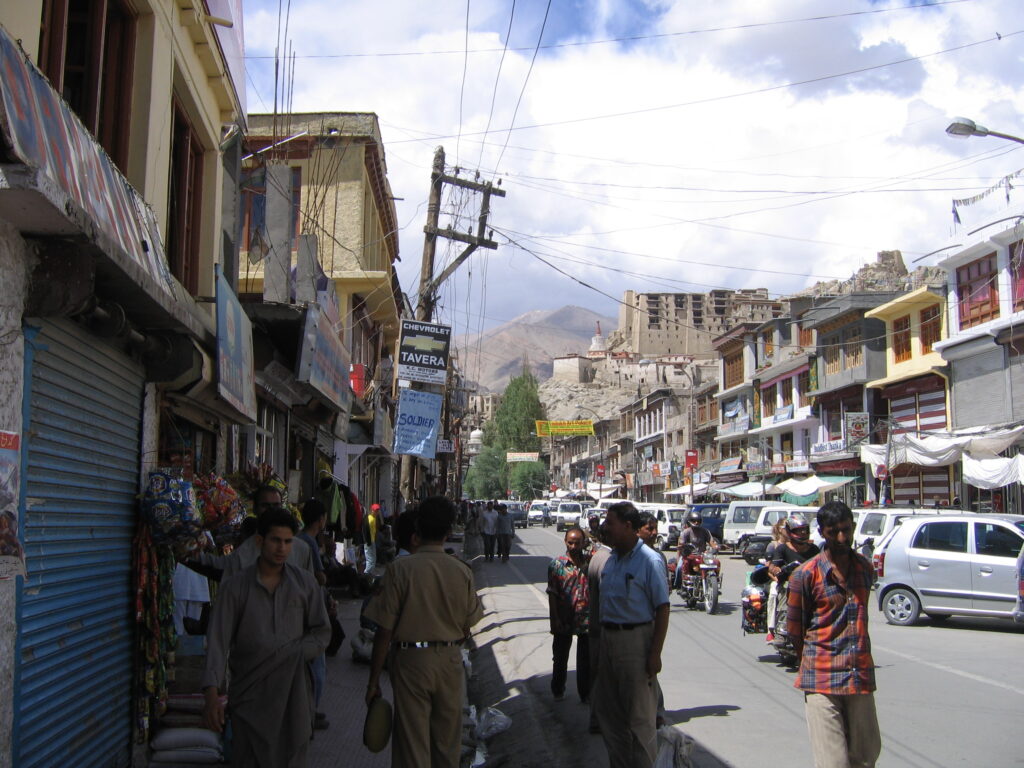
The local bazaar continues to be a melting pot of cultures, with traders selling everything from handicraft jewellery and pashmina shawls to thangkas, the traditional Buddhist paintings. The aroma of butter tea and freshly baked khambir, the local bread, invites the travellers into the warmth of Ladakhi hospitality.
The Old Jama Masjid, Sankar Monastery, and the LAMO Centre are the cultural landmarks that signify the very long coexistence of Buddhist and Islamic influences that have shaped Ladakh’s heritage.
Read More: 27 Famous Buddhist Monasteries in Ladakh for a Spiritual Journey
Must-visit landmarks in Old Leh
- Leh Palace: This 17th-century palace crowns the Old Town and is inspired by Tibet’s Potala Palace. The view of the city and the surrounding mountains from the terrace is awesome.
- Namgyal Tsemo Gompa: This monastery, which is located above the palace by a short climb, houses ancient statues and manuscripts.
- Central Asian Museum: The museum provides an understanding of the trading history and cultural interaction that once defined the importance of Leh on the Silk Route.
- Old Leh Market: Filled with local vendors, it is an ideal place for buying apricot oil, yak wool garments, and handicrafts as souvenirs.
- Ladakh Arts and Media Organisation (LAMO) Centre: Situated in a restored heritage building, this centre works for the promotion of local art and culture, and preservation of mud houses in Ladakh.
Local Life and Experiences
A tour to Old Town is less a sightseeing affair and more an immersion into its living culture. The inhabitants are simple and attached to their traditions. Participation in community activities or a visit during local festivals like Losar will give an idea of the Ladakhi New Year.
Especially magical is an early morning stroll through the alleys. The soft chants coming from the monasteries nearby rise with the sunrise over the mountains to give that feeling of serenity that defines the spiritual pulse of Leh Town.
Also Read: 30 Famous and Traditional Festivals Celebrated in Ladakh: Culture of Ladakh
Preserving the Past for the Future
The fragile heritage of the Old Town has seen a surge in efforts for protection over the last few years. With the help of local government, conservation groups are attempting to repair dilapidated houses and maintain the structural integrity of traditional architecture, and sustainable tourism projects encourage tourists to respect the local way of life and contribute to the local economy.
Staying in restored heritage homes and buying locally made artefacts are ways that travellers can ensure the continued well-being of this cultural heart of Ladakh. After all, the preservation of mud houses in Ladakh is not just about saving the structures; it’s about keeping the stories, crafts, and wisdom of generations alive.
How Dream Land Stands Out
At Dream Land, we work in a way so that the traveller doesn’t just see Leh but experiences it, from guided walks through its ancient lanes to stays that showcase the heritage of Ladakh. Whether one is drawn to the timelessness of the mud houses in Ladakh or the panoramic beauty of the surrounding mountains, we design every journey to offer a perfect mix of comfort, authenticity, and discovery. While travelling with Dream Land, Leh is not a place you visit; it’s a story you become a part of, continuously inspiring scores of explorers from around the world.
Conclusion
At Dream Land, we work in a way so that the traveller doesn’t just see Leh but truly experiences it, from guided walks through its ancient lanes to stays that showcase the heritage of Ladakh. Whether one is drawn to the timelessness of the mud houses in Ladakh, the panoramic beauty of the surrounding mountains, or the thrill of Leh Ladakh trekking, we design every journey to offer a perfect mix of comfort, authenticity, and discovery. While travelling with Dream Land, Leh is not a place you simply visit; it’s a story you become a part of, continuously inspiring explorers from around the world.
Check Out Our Most Popular Treks – Markha Valley Trek | Phyang to Hunder Trek (Nubra Valley) | Spituk to Matho Trek | Rumbak valley Trek | Lamayuru to Hemis Monastry Trek | Lamayuru to Darcha Trek | Rumtse to Tsomoriri Trek | Hemis to Tsomoriri Trek | Padum To Lamayuru Trek | Kibber Tsomoriri & Rumtse Trek | Jhunglam Trekking