
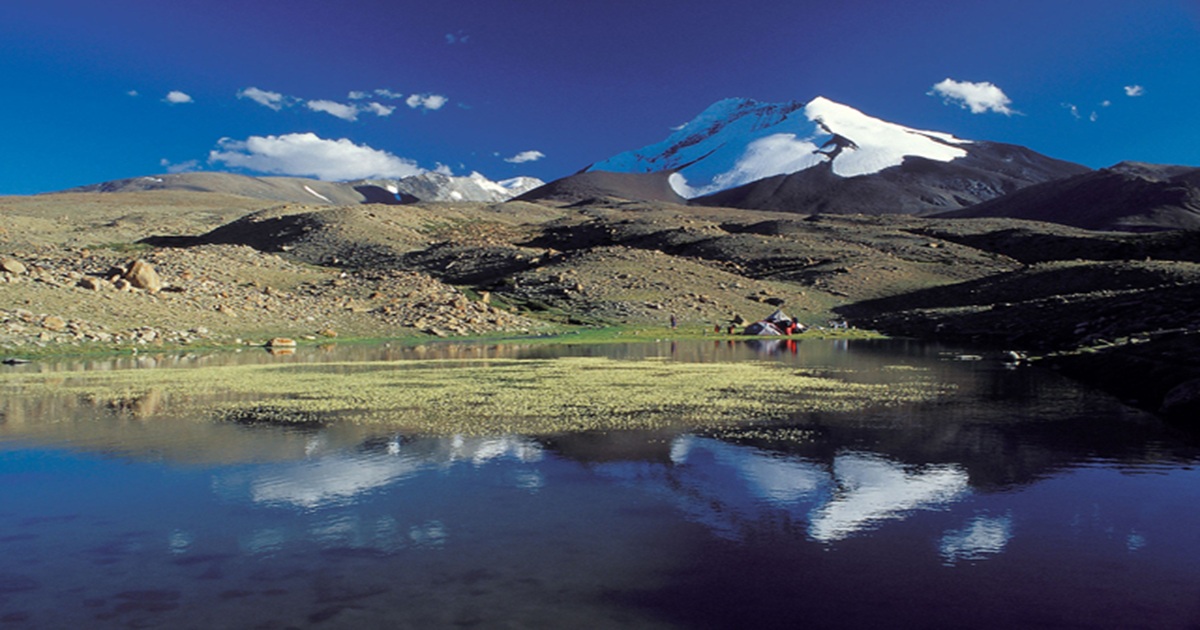
The Markha Valley Trek, one of Ladakh’s most well-known long-distance hikes, blends remote villages, high-altitude deserts, and breathtaking Himalayan landscapes. This book offers a helpful overview to help hikers who want to know the best time to finish the Markha Valley climb, the route details, weather patterns, and the overall cost of the climb.
Situated within the broader area surrounding Markha Valley, this path is often chosen by both first-time Himalayan trekkers and seasoned hikers looking for a culturally rich trail.
When Is the Markha Valley Trek Best Time?
It is important to select the right season for the Ladakh Markha Valley trek. Late June to early September is considered to be the Markha Valley trek best time. During these months, it is expected that passes will be clear of snow, rivers will be crossable, and village homestays will be available.
June offers crisp air and sparse crowds, but some water flows may be more aggressive due to snowmelt. July and August see verdant valleys and pleasant temperatures, but a few afternoon rain showers may occur. September offers a peaceful and sunny environment with golden scenery and cold nights.
October and later should be avoided, as the climate becomes too cold. Winters are very harsh, and many routes are deep in snow and inaccessible.
Daytime temperatures reach between 15°C and 22°C during peak season. The nights can cool to near freezing point, especially if you are camping in areas above 4,000 metres.
Also Read: Best Time to Visit Leh Ladakh with Family
Weather Conditions You Should Expect
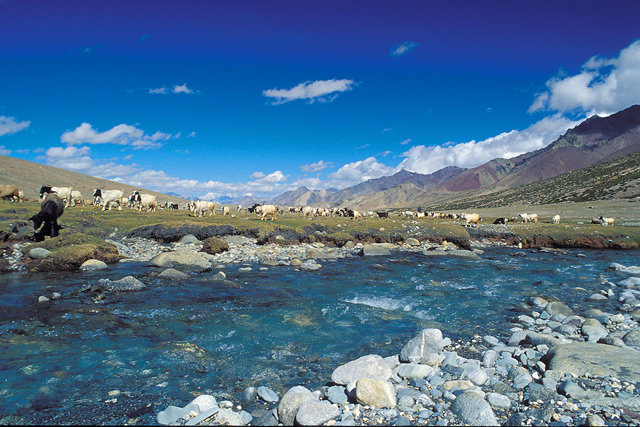
The trail’s climate fluctuates rapidly. By the afternoon, sunny mornings might become windy.
Cool evenings, high UV exposure, and dry air are to be expected. Dressing in layers is crucial. Sudden hail or short showers are common, even in the summer.
Ladakh’s elevation makes acclimatisation crucial. The majority of itineraries begin close to Leh, giving your body a few days to adjust before you set out on the route.
Understanding the Markha Valley Trek Route
The route of the classic Markha Valley trek takes six to eight days based on side trips and acclimatisation.
Most trekkers start from Chilling or Skiu and end near Shang Sumdo. The trail goes via small villages like Markha and Hankar with overnights in homestays or camps.
A typical route includes:
- Chilling/Skiu to Markha village
- Markha to Hankar
- Hankar to Nimaling
- Crossing Kongmaru La before descending towards Shang
Nimaling is one of the highest camps, nestled under some towering peaks, affording striking sunrise views. The crossing of Kongmaru La is the physical highlight, demanding steady pacing and good weather.
What makes this trek special is the varied landscapes it combines. You hike along rivers, through narrow gorges, and over open plateaus, while prayer flags and mani walls mark spiritual waypoints.
How Difficult Is the Trek?
The Markha Valley trek is rated moderately to difficult.
The daily walks can be quite long, taking up to five or seven hours a day to complete. There are river crossings to deal with, altitude, and long ascents to climb, hence the necessity for reasonable fitness levels. Having trekking experience beforehand helps.
This route is also popular amongst those who intend to venture into mountain climbing in the region, as it passes through many major mountain peaks and acclimatization zones.
Markha Valley Trek Cost: What to Budget
Depending on season and features, a guided group trek in the Markha Valley typically costs between ₹18,000 and ₹35,000 per person.
This often includes lodging, meals, guide services, and permits for the trek.
Tips, personal gear rentals, and transportation from Leh to the trailhead are additional costs. Although they might spend less, independent hikers have to handle their own logistics.
Homestays are friendly and reasonably priced, usually with modest nightly fees that include basic meals prepared at home.
Also Read: Best Winter Treks in Ladakh – Easy, Tough and Short Treks
Responsible Trekking and Local Life
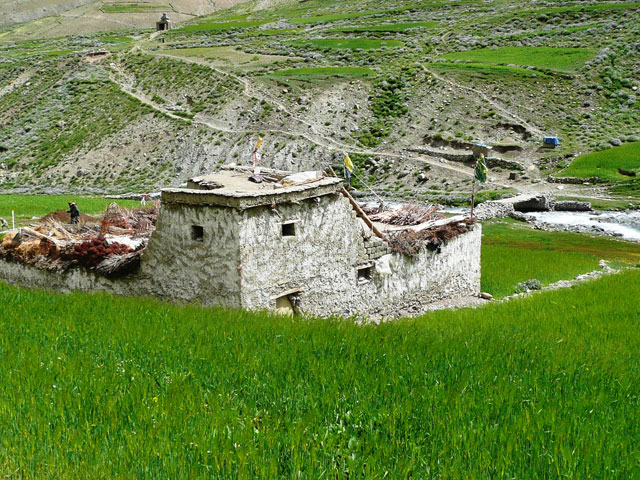
Staying in traditional villages is one of the most fulfilling parts of the Ladakh Markha Valley trek. Trekkers are welcomed into the houses of families who share stories of mountain life, tea, and barley bread.
Keep reusable bottles with you, use less plastic, and be mindful of regional traditions. Little actions can make a big difference in protecting this delicate ecosystem.
Dream Land: Helpful Local Support Along the Way
In order to assist tourists with practical elements such as permits, transportation, acclimatisation days, and village stays along the Markha valley walk, we at Dream Land work closely with local communities and on-the-ground partners. With consideration for weather conditions, trail accessibility, and individual trekking pace, our approach prioritises realistic planning above pre-made templates. Because of our position in Ladakh, we are able to offer trekkers seasonal insights and real-time route updates, helping them design flexible routes that match the area’s natural rhythm and safety.
Conclusion
The Markha Valley trek provides an opportunity to experience the dramatic landscape and culture of the region. Markha Valley trek best time is between June and September. It is essential to know the Markha Valley trek route, be prepared for the weather, and budget the Markha Valley trek cost wisely.
Whether you’re drawn by the peace and quiet of monasteries, expansive valleys, or aspirations linked to mountaineering in Ladakh, this trail offers depth beyond its distance. Hike leisurely, and respect the landscape; Ladakh will do the rest. With proper planning, the adventure through Markha is not really about ticking off miles but more about an appreciation of one of the most spiritual areas in the Himalayas.
Check Out Our Most Popular Treks – Markha Valley Trek | Phyang to Hunder Trek (Nubra Valley) | Spituk to Matho Trek | Rumbak valley Trek | Lamayuru to Hemis Monastry Trek | Lamayuru to Darcha Trek | Rumtse to Tsomoriri Trek | Hemis to Tsomoriri Trek | Padum To Lamayuru Trek | Kibber Tsomoriri & Rumtse Trek | Jhunglam Trekking